If you’ve ever shopped for plumbing materials, you’ve probably wondered how much PP-R pipes and fittings really cost—and why there’s such a wide range in price tags. As a long-time supplier of these products, I’ve fielded that question from homeowners, contractors, and even fellow trade professionals hundreds of times. It’s not a simple answer, but breaking down the factors that shape costs can help you make a smart choice that doesn’t leave you overpaying, or worse, settling for low-quality parts that cause headaches later. PP-R Pipes and Fittings
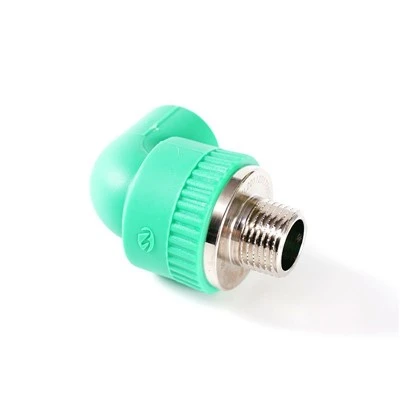
First, let’s get clear on what PP-R is: polypropylene random copolymer, a thermoplastic material valued for its durability, resistance to corrosion and chemicals, and ease of installation. It’s a staple in residential plumbing, hot and cold water systems, and even some industrial applications. But not all PP-R pipes and fittings are created equal, and that’s where the biggest cost differences start.
The single biggest driver of PP-R product cost is the material quality. Base resin is the core: virgin PP-R resin is far more expensive than recycled resin, and the difference shows in performance. Virgin resin is manufactured to strict specifications, with consistent molecular structure that makes pipes flexible enough to withstand pressure, and resistant to cracking, even when exposed to hot water for decades. Recycled resin, on the other hand, is made from melted-down plastic waste, often with contaminants that weaken the material. A pipe made from recycled resin might cost 20-30% less upfront, but it’s more prone to brittleness, especially in extreme temperatures, and can develop leaks or failures within just a few years. I’ve seen contractors cut corners here, only to come back to replace 10-year-old systems that should have lasted 50. For that reason, most reputable suppliers (including mine) prioritize virgin resin products, and that’s reflected in our pricing.
Next, there’s the thickness of the pipe wall, which is marked by a “SDR” (Standard Dimension Ratio) number. SDR is calculated by dividing the outer diameter of the pipe by its wall thickness, so a lower SDR means a thicker, stronger pipe. For residential hot water plumbing, SDR 7.4 is the most common, but SDR 6 (thicker) is used for higher-pressure applications. Thicker walls require more material, so SDR 6 pipes typically cost 15-25% more than SDR 7.4 of the same diameter. Fittings follow a similar logic: thicker, precision-molded fittings cost more than thinner ones, but they create a tighter, more reliable seal that reduces the risk of leaks. I always advise customers to match SDR across pipes and fittings—mixing SDR numbers can lead to pressure mismatches and system failures down the line.
Size is another obvious factor, but it’s not just about diameter. Longer pipes cost more than shorter ones, and custom-cut lengths add a small premium. For fittings, smaller sizes (like 1/2 inch, common for residential water lines) are cheaper per unit than larger sizes (like 2 inches, used for main lines). But don’t just look at per-unit price: when calculating total cost, you also need to account for how many fittings you need. A complex bathroom remodel might require twice as many elbow joints, tees, and adapters as a simple kitchen pipe run, and that adds up fast.
Then there’s the brand and certification. Products that meet international standards—like ISO 15874, ASTM F2389, or national plumbing codes—undergo rigorous testing for pressure resistance, temperature tolerance, and material safety. These certifications add cost, but they’re non-negotiable for ensuring the product will work as intended. Generic, unbranded fittings you might find at a discount store often skip these tests, so their lower price is a false economy. For example, a certified elbow might cost $1.20, while an uncertified one is $0.50, but the certified one is far less likely to crack under the pressure of a hot water heater. Top brands also invest in better molding processes, leading to fewer defects, which saves you from having to return broken parts mid-project.
Installation factors also tie into the “hidden cost” of PP-R products, though they don’t show up on the part price itself. PP-R is soldered (fused) together with a special tool, which is faster than gluing or threading metal pipes, and reduces labor time. That said, if you’re working with custom-sized pipes or unusual fittings, a small premium for specialized parts can actually lower your overall installation cost by avoiding mistakes. For example, a custom-sized reducer fitting that lets you connect a 1/2 inch pipe to a 3/4 inch line costs a few extra dollars, but it saves your plumber from having to make a messy, error-prone field cut that could lead to leaks later.
To put real numbers to this, let’s break down typical costs for common residential products, based on current market rates (2024). A 10-foot stick of SDR 7.4, 1/2 inch diameter PP-R pipe from a reputable supplier runs $8-$12. The same size in SDR 6 is $10-$14. For fittings: a 1/2 inch male adapter (used to connect pipes to faucets) is $1.10-$1.50; a 1/2 inch 90-degree elbow is $0.90-$1.30; a 1/2 inch tee is $1.20-$1.70. For larger sizes, a 2-inch SDR 7.4 pipe is $45-$55 per 10 feet, and a 2-inch elbow is $6-$8.
Discount products (often made with recycled resin) can be 20-40% cheaper than these numbers. But as I mentioned earlier, that’s where the risk comes in. A friend who runs a plumbing business told me last year about a job where he used $500 worth of discount PP-R parts for a new house. Within three years, four fittings had cracked, leading to $2,500 in water damage and rework. That’s a lesson I share with every customer: the upfront savings often disappear when you account for repairs.
Now, how can you get the best value for your money, not just the lowest price? First, buy from a supplier that provides full transparency about materials and certifications. I always share test reports for every batch of our products, so you can confirm they meet the standards you need. Second, calculate total needed parts, not just individual prices. A bathroom remodel might need 20 fittings total, so a $0.50 difference per fitting adds up to $10—hardly worth the risk. Third, ask about bulk pricing: if you’re doing a whole-house plumbing job or multiple projects, most suppliers offer discounts for larger orders. We do that, for example, giving 10% off orders over $500 and 15% off over $1,000, which can bring costs much closer to competitive rates without sacrificing quality.
I also get asked about “budget-friendly” PP-R options that still hold up. These are not the recycled resin ones—instead, they’re products that use a lower, but still compliant, grade of virgin resin, and streamline packaging and branding to cut costs. They’re not the top-tier premium products, but they meet all safety and performance standards for standard residential applications, and they’re a great middle ground for customers who want reliability without the highest price tag.
At the end of the day, pricing for PP-R pipes and fittings isn’t arbitrary—it’s a reflection of the material, quality, and performance of the product. As a supplier, my goal is to offer clear, fair pricing for products that will work for your project, without hidden costs or cheap shortcuts. If you’re planning a plumbing project, whether small or large, and want to get a customized quote or ask more questions about what products work best for your needs, don’t hesitate to reach out. We’re here to help you get the right parts at a price that makes sense, no fine print or unexpected fees.
PVC Pipe & Fittings References
- International Organization for Standardization. (2019). Plastics piping systems for hot and cold water supply — Polypropylene (PP-R). ISO 15874.
- American Society for Testing and Materials. (2021). Standard Specification for Polypropylene (PP-R) Plastic Pipe (SDR-PR) and Fittings for Pressure Piping Applications. ASTM F2389.
- Plumbing-Heating-Cooling Contractors Association. (2023). Residential Plumbing Material Cost Guide. PHCC Educational Foundation.
- European Committee for Standardization. (2022). Plastics pipes and fittings for the conveyance of water — Polypropylene (PP-R) — Specifications. EN 1569.
Shanxi Kaisheng Plastic Co., Ltd.
As one of the most professional pp-r pipes and fittings manufacturers and suppliers in China, we’re featured by quality products and good price. Please rest assured to buy customized pp-r pipes and fittings made in China here from our factory. Welcome to contact us for quotation.
Address: No.72, Area S, Gate 1, Haohai Wumart, Fendong Street, Xiaodian District, Taiyuan City, Shanxi Province
E-mail: sxkssj8@163.com
WebSite: https://www.sx-kssj.com/
