If you’re operating a manufacturing, food processing, pharmaceuticals, or chemical production line, the drying equipment you choose can make or break your product quality. I’ve spent 12 years as a drying equipment supplier, working hands-on with plant managers, process engineers, and maintenance teams to fix everything from unevenly dried material to products that lost their critical active ingredients because of mismanaged heat. One of the most common, and most costly, mistakes I see? Teams assuming “set it and forget it” temperature controls will work—until they end up with a batch ruined by overheating, or stuck with moisture levels that don’t meet regulatory standards. Controlling drying temperature accurately isn’t just about a machine’s built-in thermostat; it’s about a system of calibrated tools, consistent maintenance, and process adjustments tailored to your specific material. Let’s break down what I’ve learned, step by step. Drying Equipment
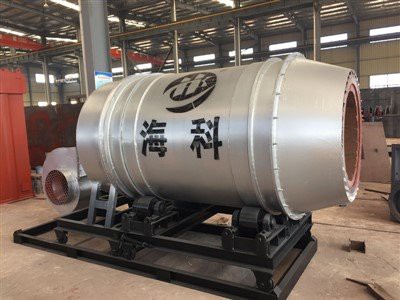
First, let’s start with why drying temperature accuracy matters beyond just a number on a screen. I recently worked with a pharmaceutical client that was struggling with 15% of their tablets failing final quality checks. The issue? Their tray dryer’s sensor was mounted on the wall of the drying chamber, not on the trays holding the powder blend. The air in the chamber was 120°F, but the powder itself was sitting at 112°F—warm enough to dry the surface but not the core, leaving too much moisture. When they adjusted the sensor’s location and calibrated it to match the product’s actual temperature, failure rates dropped to 1.2%. That’s the kind of ROI you get when you stop treating temperature as a single, static value and start measuring where it counts: on your material, not just in the air around it.
1. Calibrate Temperature Sensors Monthly (At Minimum)
Sensors are the eyes of your drying system, but they drift. Even high-end industrial sensors can shift 2-5°F over 30 days, especially in harsh environments with dust, moisture, or chemical fumes. I recommend calibrating all sensors—chamber air, product surface, and exhaust—against a traceable reference thermometer every 30 days, or twice a month for high-wear applications like food drying or batch drying of fine chemicals.
Don’t make the mistake of assuming your dryer’s factory calibration lasts forever. Factory calibrations are a baseline, but once the machine is installed and running, it’s exposed to conditions that throw sensors off. Last year, a craft cereal producer called me because their oats were coming out either too crunchy or too chewy, no matter how they adjusted the settings. We tested their thermocouples and found they had shifted 4°F high, so when they set the dryer to 180°F, the actual product temperature was 184°F, burning the edge of the oats and trapping excess moisture inside. A 10-minute calibration fix solved their problem instantly.
For continuous drying systems (like conveyor dryers), pay extra attention to sensors mounted on the conveyor itself. Dirt buildup on the sensor probe can create a layer of insulation, leading it to read lower than actual product temperature. I advise cleaning all sensors with a soft, lint-free cloth and compressed air during each calibration, and replacing probes that show signs of cracking or corrosion immediately.
2. Choose the Right Sensor Type for Your Product
Not all temperature sensors work the same, and matching your sensor to your material is half the battle of accurate control. Let’s go through the most common types and what they’re best for:
- Thermocouples: The workhorse for most industrial dryers, affordable, and accurate for high-temperature applications (up to 2,300°F). They’re great for batch drying of powders, grains, or solids, but if you’re working with delicate products like pharmaceutical gels or baked goods, the metal probe can leave marks or disrupt the product surface.
- RTDs (Resistance Temperature Detectors): More accurate than thermocouples for low-to-moderate temperatures (up to 600°F), with precision within ±0.5°F. They’re ideal for food processing and pharma, where small temperature deviations can ruin active ingredients or flavor. The downside? RTDs are more expensive than thermocouples, and can’t handle extreme heat.
- Infrared (IR) Sensors: Non-contact, so perfect for products that are sticky, abrasive, or can’t be touched by a probe (like fresh produce coatings or electronic components). IR sensors measure surface temperature from a distance, so they don’t disrupt the product, but they’re less accurate than contact sensors, especially if there’s moisture or dust in the air that blocks the heat signature.
I once worked with a specialty snack manufacturer that was having issues with their chocolate-covered pretzels—excess heat from contact probes was melting the chocolate, while IR sensors kept picking up erratic readings from the pretzel’s rough surface. The solution? We installed a combination: RTDs on the metal conveyor to track zone temperature, and high-precision IR sensors mounted above the product to monitor chocolate surface temp, adjusting zone heat in real time. That cut their chocolate waste by 22% in the first month.
3. Zone Control Isn’t a Luxury—It’s a Necessity for Most Drying Jobs
Many smaller dryers come with a single thermostat, which means the entire chamber is heated to the same temperature. That works for simple materials like bulk grain, but for anything that needs gradual drying, this approach leads to uneven results. For example, when drying wood for furniture, starting at too high a temperature can cause the outer layers to shrink and crack, while too low slows production. Zone control lets you adjust temperature in different sections of the dryer, matching the heat to the stage of drying.
Let’s break down how zone control works for common processes:
- Pre-drying zone: Lower temperature to remove surface moisture without damaging the product. For wet powder, start at 110-120°F; for wood, start at 100°F.
- Core drying zone: Medium temperature to pull moisture from the center of the material without overheating the surface. For pharmaceuticals, this is 120-140°F; for grain, 140-150°F.
- Finishing zone: Lower temperature to reduce final moisture to the required level, preventing shrinkage or cracking. For most products, this is 100-110°F.
I’ve seen plants with single-zone dryers running 10-15% over on energy costs because they have to run the entire dryer at a temperature that works for only one zone. Adding 2-3 controlled zones not only improves product quality but also cuts energy use, which is a big win for long-term costs. When we retrofitted a large fertilizer plant’s rotary dryer with zone control, their energy bills dropped by 18% while their product moisture consistency improved by 9%.
4. Account for Airflow and Humidity—Temperature Doesn’t Work in a Vacuum
Drying is not just about heat; it’s about moving that heat and removing moisture from the chamber. Even if your temperature sensors are perfectly calibrated, poor airflow can make your product feel 10-15°F hotter than the sensor reads, leading you to overcompensate. Last year, a poultry processing plant called me because their dehydrated chicken jerky was coming out too hard and over-salted. We checked the temperature sensors, they were on point, but the exhaust fan was 30% clogged with dust, so hot air was stagnating near the product, not circulating. Once we cleaned the fan and adjusted airflow to match the chamber size, they were able to lower the set temperature by 10°F and got exactly the texture they wanted, plus a 7% reduction in gas usage.
Humidity is another often-overlooked factor. If the air inside your dryer is already saturated with moisture, raising the temperature won’t help—it’ll just heat up the air without removing any more water from your product. That’s why it’s critical to monitor exhaust humidity alongside temperature. Most modern drying equipment can integrate humidity sensors to automatically adjust heat and exhaust fan speed. For example, when drying coffee beans, exhaust humidity spikes in the first 30 minutes of the batch. The system will lower the set temperature slightly and increase exhaust speed to pull out that surface moisture, then raise the temperature as humidity drops. This prevents the beans from roasting unevenly and reduces total drying time by 20% compared to manual adjustments.
5. Implement Real-Time Monitoring and Alerts to Avoid Manual Errors
I’ve worked with dozens of teams that rely on operators checking temperature every hour, which is a recipe for inconsistency. An operator might miss a sensor drift between checks, or a power fluctuation that spikes temperature for 10 minutes and ruins a batch. Real-time monitoring systems, which track temperature, humidity, and airflow 24/7, send alerts if any parameter drifts outside your set limits, so you can fix issues before they cause damage.
For small operations, you don’t need a massive industrial SCADA system—even a basic cloud-based monitor can track your dryer’s data from a phone or laptop. A craft beer brewery I worked with uses a simple monitoring system for their malt drying. They set an alert if the temperature goes above 160°F (which would ruin the malt’s enzymes), and if it stays within range for the full 12-hour drying cycle, the system sends a notification to their operator. That’s way more reliable than having an operator stop by every 2 hours, especially during overnight shifts when staff is stretched thin.
Common Mistakes to Avoid
Let’s wrap up with the mistakes I see most often, to save you the frustration of correcting them later:
- Ignoring probe location: As I mentioned earlier, mounting sensors on chamber walls instead of product leads to misleading readings. Mount 1 probe per batch tray (or every 2 feet on a conveyor) to track actual product temperature.
- Skipping calibration: I’ve had clients go 6 months without calibrating sensors, only to find they were reading 7°F high, leading to $20,000+ in ruined batches. Put calibration on your maintenance schedule like oil changes for a truck.
- Using one temperature for all batches: If you change the material or batch size, adjust your settings. Drying 500 pounds of wet clay needs a different temperature profile than drying 1,000 pounds of the same clay.
- Forgetting exhaust air: A dryer with no proper exhaust will recirculate moist air, making your product take longer to dry and raising the risk of overheating.

At the end of the day, accurate drying temperature control is a mix of the right equipment, consistent maintenance, and matching your system to your specific process. If you’re struggling with inconsistent product quality, wasted energy, or batch failures, the good news is you don’t have to overhaul your entire dryer to fix it—small, targeted adjustments to sensor placement, calibration, and airflow can make a huge difference.
Dust Collectors If you’re ready to troubleshoot your current drying system, upgrade your controls, or learn how our drying equipment is built with precision temperature control at its core, reach out to our team to schedule a consultation. We’ll walk through your process, help you identify gaps, and work with you to find a solution that fits your production needs.
References
- Smith, J. D. (2021). Industrial Drying Technology: Principles and Practice. Pergamon Press.
- Food and Drug Administration (2019). Quality Control Guidelines for Drying Processes in Pharmaceutical Manufacturing. U.S. Department of Health and Human Services.
- ASTM International (2020). Standard Practice for Temperature Calibration of Sensors Used in Industrial Drying Operations. ASTM E112-20.
- Patel, R. K. (2022). Energy Efficiency in Drying Systems: Optimizing Temperature and Airflow for Manufacturing. Journal of Process Engineering.
Jiangsu Haike Environmental Tech Co., Ltd.
As one of the most professional drying equipment manufacturers and suppliers in China, we’re featured by quality products and good service. Please rest assured to wholesale customized drying equipment at competitive price from our factory. Contact us for quotation.
Address: No.1, Wei’er Branch Road, Shanggang Industrial Park, Jianhu County, Yancheng City, Jiangsu Province, China
E-mail: 17388487000@163.com
WebSite: https://www.jshkhbwm.com/
