Hey there, if you’re reading this, you’re probably knee-deep in a project where you need OEM metal parts—and let’s be real, designing those parts can feel like trying to solve a puzzle with half the pieces missing. You might be wondering, “Do these metal suppliers actually help with design, or am I on my own once I hand over a sketch?” Spoiler: if you’re working with a reputable OEM metal parts provider like me (yep, I run one of those), design support isn’t just a nice bonus—it’s the whole reason we exist beyond just stamping or machining metal. Let me break this down like I would to a fellow engineer over a cup of bad office coffee, no stuffy jargon or corporate fluff. OEM металлические детали
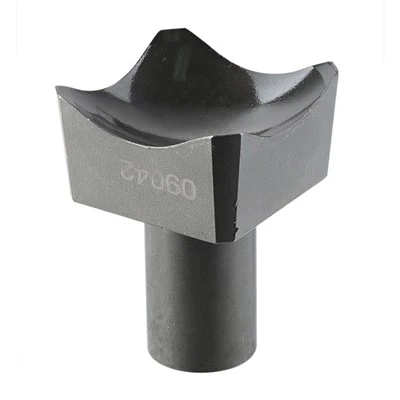
First, let’s get one thing straight: not all metal suppliers are the same. I’ve seen so many clients come to us after getting burned by a vendor that only wanted the final CAD file, no questions asked. Those guys? They’re just order-takers, not partners. My team and I? We jump into the design phase before we even touch a single piece of steel, aluminum, or whatever alloy you’re working with. Let’s start with the basics: why do clients even need design help here? Most folks come to us with a concept—maybe they sketched it on a napkin, or their in-house team has a rough 3D model—but they don’t know how to translate that into a part that’s not just functional, but cheap to make, durable, and fits their exact needs. For example, last quarter, a small robotics startup hit us up with a custom joint arm for their delivery bots. They thought they needed a solid titanium piece, which would’ve cost them an arm and a leg (pun absolutely intended). We sat down with them, walked through their load requirements, and suggested a hollow aluminum extrusion with reinforced weld points—same strength, 40% lighter, and way easier to manufacture. That’s the kind of design support we do before anyone cuts a single piece of metal.
Wait, let’s be specific about what that design support actually looks like, because I don’t want to overpromise. We don’t do full product design from scratch unless that’s what you ask for, but most of our clients come with a base design and need us to optimize it for manufacturability—what’s called DFM, if you’ve heard that term, but we just call it “making sure this doesn’t suck to build.” Let’s talk about the common pain points we fix. Take machining: if you design a part with a tiny feature that requires a custom tool, that’s going to add days to lead time and thousands to the bill. We’ll point that out, tweak the design to use standard tooling, and keep your project on track. Or stamping: sharp corners on a sheet metal part might seem fine, but they can cause cracking during stamping. We’ll round those out just a little, no change to how the part works, and save you from a scrap heap of broken metal. Last month, a medical device company came to us with a bracket for a MRI machine component—their original design had a draft angle that was too steep for the die they were using. We adjusted the draft by 2 degrees, no impact on the part’s function, and cut their stamping die cost by $1,200. That’s the stuff that matters.
Then there’s material selection, which is a huge part of design support that a lot of suppliers leave on the table. Let’s say you need a part that’s going outdoors, exposed to salt and rain. You might pick standard steel because it’s cheap, but we’ll tell you that plain steel will rust through in 6 months—opt for hot-dip galvanized or 304 stainless, and it’ll last 10 years, for just a 15% price bump. I’ve had clients come back to us later and say that material call saved their whole product launch because their first supplier didn’t warn them about corrosion. Or if you need a part that’s lightweight, like for an electric bike, we’ll push for aluminum instead of steel, or even a high-strength aluminum alloy that’s way lighter without sacrificing strength. We also run quick material tests in our in-house lab—we’ve got tensile testers and corrosion chambers, so we can check how a design holds up before you commit to a production run. No more finding out too late that your part snaps under pressure because you picked the wrong metal.
Another big one: design for assembly (DFA). A lot of our clients design parts in a vacuum, not thinking about how it fits with the other parts of their product. We’ll look at your whole assembly and point out ways to simplify the design so you don’t need extra fasteners or complicated connections. For example, a client making outdoor LED lights had a metal housing that needed four separate screws to attach the lens. We redesigned the housing with integrated snap fits—same secure fit, no screws, cut their assembly time per unit by 2 minutes. That might not sound like much, but when you’re making 10,000 units a month, that’s 20,000 minutes saved—over 300 hours of labor, which adds up to real money. Our team includes design engineers who work alongside your team on this; we don’t just send you a note saying “this is hard to assemble”—we send you sketches and 3D models of the modified part, so you can see exactly how it works.
Wait, but what if you don’t have an in-house design team? Like, small businesses, startups, hobbyists? We work with those folks all the time, and design support is even more critical for them. Last year, a guy making custom vintage car parts reached out—he needed a replacement bracket for a 1967 Mustang, but his original part was worn out, and he only had a blurry photo to go on. We didn’t just make a copy; we worked with him to tweak the design so it was more durable (he kept breaking the originals) and used modern steel that’s less likely to rust, without changing the look that made it authentic. We even adjusted the mounting holes so they lined up better with his car’s frame. That’s the kind of support that makes a small business succeed, right? You don’t have to be a big corporation with a design department to get help.
Now, let’s talk about the “fine print” because I don’t want anyone to get upset. Design support from OEM metal suppliers isn’t free, usually, and it’s not unlimited. We don’t go redesigning your entire product from scratch just because you asked—our support is focused on making your existing design better for production. For example, if you need a custom part and don’t have any drawings, we can help you reverse-engineer it from a sample, but that would be a separate service charge, not part of our standard support. Most of our standard design optimization is included in the quote for production parts, though—we factor that into the cost because we know it leads to less scrap and faster turnaround. Also, we work with your IP, obviously—we sign NDAs for every project, so you don’t have to worry about us stealing your design. That’s non-negotiable for us, because trust is everything in this industry.
I get why some people are skeptical. A few years ago, we had a client who’d worked with another supplier before—they sent the supplier a CAD file, got a quote, and when the parts arrived, half of them were warped because the supplier didn’t check if the design could handle the heat from their welding process. That client came to us, and we fixed the design (added a heat dissipation notch) and remade the parts, no extra charge, because that’s what good suppliers do. We don’t just quote a price and walk away; we’re invested in your part working as intended, because if you succeed, we succeed.
Another thing I want to mention is prototyping. Design support doesn’t stop at the drawing board—we make prototypes, test them, and tweak the design before full production. So many clients skip prototyping and regret it when their first production run is full of bad parts. We can make 3D printed prototypes, CNC machined samples, or even small batch stamping runs, so you can hold the part in your hand, test it, and make changes before you order 10,000 units. For example, a HVAC company came to us with a duct bracket—their prototype snapped when they tightened it, so we adjusted the thickness and added a rib for strength, then made a new prototype that passed all their tests. Without that prototyping step, they would’ve wasted $50,000 on a bad production run.
Let me wrap this up. If you’re working with a real OEM metal parts supplier, design support is a core part of what they do, not an extra service. It’s about taking your idea—whether it’s a napkin sketch, a rough CAD file, or a worn-out old part—and turning it into a production-ready design that’s affordable, durable, and works exactly how you need it. It’s not about doing all your work for you; it’s about being a partner who has the expertise to make your project easier and more successful.

If you’re ready to stop stressing about designing your metal parts and start moving your project forward, hit us up to chat about your needs. We’ll walk through your concept, talk about materials, show you how we can optimize your design, and give you a clear, transparent quote—no hidden fees, no jargon, just real answers from people who know metal parts inside and out. You don’t have to figure this out alone; that’s what we’re here for.
Agriculture Machinery Parts References
- Design for Manufacturability (DFM) Guidelines for Metal Parts, Society of Manufacturing Engineers, 2022
- OEM Supplier Capabilities: Design Support & Production, National Association of Metal Fabricators, 2023
- IP Protection and NDA Best Practices for Custom Manufacturing, Industrial Designers Society of America, 2021
- Cost Optimization Through Early Design Collaboration, Journal of Industrial Manufacturing, 2022, Vol. 34, No. 2
Ningbo Tanxi Import & Export Co., Ltd.
As one of the most professional OEM metal parts manufacturers and suppliers in China, we’re featured by quality products and good service. Please rest assured to buy bulk OEM metal parts at competitive price from our factory. We also accept customized orders.
Address: Suite 801, 258 Tiangao Lane, Yinzhou Southern Business District, Ningbo 315100, P.R. China.
E-mail: andy@tx-drilling.com
WebSite: https://www.tx-wearparts.com/
