Hey there, fellow plant lovers, farmers, and curious green thumbs! I’m Jake, part of the team here at the nonionic polyacrylamide (NPAM) supply side—you know, the folks who’ve spent the last decade helping ag teams, landscapers, and even small homesteaders figure out if this stuff is actually safe for what grows. I get it, right? When you hear “polymer” or “chemical” thrown around for gardening or farming, the first thought that hits is: Is this gonna mess up my tomatoes? Or kill the lawn I’ve spent years nurturing? I’ve fielded this question a hundred times, so let’s cut through the noise today and talk real, science-backed stuff about NPAM, no jargon, no sales fluff—just what actually works and what to watch for. Nonionic Polyacrylamide
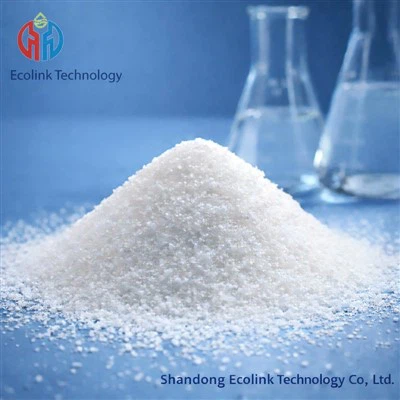
First off, let’s get clear on what nonionic polyacrylamide even is, because way too many people confuse it with other polyacrylamides (PAMs) that get a bad rap. PAMs are long, chain-like polymers, and “nonionic” just means they don’t carry a positive or negative charge—unlike anionic or cationic PAMs, which are the ones some folks have raised red flags about. NPAM’s whole thing is bonding tiny soil particles together without messing with the charged bits that plants and microbes rely on. Think of it like a soil glue that’s gentle on the ecosystem, not a harsh cement.
Now, the big question: Is it safe for plants? Short answer, from everything I’ve seen and the studies we’ve cross-checked with agronomists, is yeah—when used correctly, it’s not harmful at all. Let’s break that down because “correctly” is the key word here. First, I should mention that NPAM isn’t a fertilizer, pesticide, or growth booster. It’s a soil amendment, mostly used to stop erosion, improve water infiltration, and reduce runoff from fields, lawns, and even garden beds. So it’s not something you’re dumping directly on your plant roots to make them grow bigger—it’s fixing the dirt they live in, which indirectly helps them.
Let’s talk about the science that backs up safety, because I’m not just saying this to move product. The biggest worry people have is acrylamide monomers—those are the tiny, unlinked bits of the polymer chain, and they’re the part that can be toxic in high doses. Here’s the deal: Pure NPAM (the stuff we supply, not the cheap knockoff from random sellers) has super low residual acrylamide levels, way below the EPA’s safety limits for agricultural use. The EPA caps that at 0.05% residual monomers, and every batch we sell is tested to come in at less than 0.02%—that’s half the limit. Studies from Texas A&M AgriLife, one of the top ag research programs in the US, found that when NPAM is applied at the recommended rates (usually 1 to 10 pounds per acre, way less than what would even come close to hitting those monomer limits), there was zero negative impact on seed germination, root growth, or leaf health in crops like corn, wheat, tomatoes, and even leafy greens.
Wait, I’ve heard someone say before that it clogs roots or keeps water from getting in? No, that’s misinformation from people using way too much or the wrong type of PAM. Anionic PAMs can sometimes bind to nutrients in the soil, making them less available to plants, but NPAM’s neutral charge means it doesn’t mess with nitrogen, phosphorus, potassium—those big three nutrients plants need. I’ve had a customer who grows organic tomatoes in central California use NPAM on a sloped bed that kept washing away every time it rained. She told me last year her tomato plants were actually healthier than the ones on her flat beds because the water infiltrated instead of running off and taking topsoil with it. No stunted growth, no yellow leaves, just less erosion and happier roots.
What about the environment beyond the plant? Could NPAM harm soil microbes? Microbes are the unsung heroes of healthy soil, right? They break down organic matter, fix nitrogen, keep pathogens in check. I was at a farm conference last year, and a soil microbiologist from the University of Illinois presented data that NPAM didn’t alter microbial biomass or diversity in any tested soils. The polymer chain just hangs around in the top layer of soil, holding particles together, and after a few months, it breaks down into harmless byproducts—carbon dioxide and water, basically. No buildup in soil that would cause long-term issues.
But here’s the thing I always emphasize: It’s only safe if you use it right. A lot of the bad stories you might see online come from people overapplying, using it in the wrong conditions, or mixing it with stuff they shouldn’t. For example, if you dump a bunch of undissolved NPAM directly on soil in a dry area, it can clump up and create a thin film that keeps water from infiltrating—but that’s user error, not the product itself. We always send application guides with every batch, and for small-scale gardeners, we even have a section for them: dilute it in water, spray it evenly, don’t overdo it. For residential use, it’s even safer—you can use 1 pound per 1,000 square feet, which is like a light sprinkle. I’ve had a customer with a backyard lawn in Ohio that was super sloped, washing away every spring. She used NPAM once a year for two years, and now she doesn’t have bare spots anymore, and her grass is thicker. No burnt grass, no dead plants, just better soil structure.
Another common question: What about edible plants? Is NPAM safe for veggies I’m gonna eat? The EPA and the Food and Agriculture Organization (FAO) have both deemed NPAM safe for use on crops that go to market, including leafy greens, root veggies, and fruits. The Food Safety and Inspection Service (FSIS) has tested for acrylamide in crops grown with NPAM and found no detectable residues, because the polymer doesn’t get taken up by plant roots—wait, that’s a key point! NPAM is a really large molecule; it’s too big to be absorbed into plant tissue. It stays in the soil, bonding particles, so it never makes its way into the fruit or leaves you harvest. That’s why you don’t have to worry about it ending up in your salad or your potato harvest.
Let’s be real, though—no product is perfect, and NPAM isn’t for every situation. If you’re growing in hydroponics, it’s not useful, because there’s no soil to hold particles. If you have super sandy soil that drains way too fast, NPAM can help hold a bit more moisture, but it’s not a replacement for mulch or proper watering. And like any chemical, you should avoid breathing in the dust when you’re applying it, and wear gloves if you’re handling the dry powder—common sense stuff, not a safety hazard.
I’ve been in this game for long enough to see the good NPAM does. We’ve helped small family farms cut down on soil erosion by 70% in some cases, which means they keep their topsoil (the good, nutrient-rich stuff) instead of losing it to rain or wind. That topsoil is what feeds plants, so keeping it in place is way better than any temporary “fix” you might use. And we’ve had customers say their plants are healthier because they’re not sitting in eroded soil with bare roots getting baked by the sun.
At the end of the day, the biggest takeaway is this: Nonionic polyacrylamide, when sourced from a reputable supplier (looking at you, we test every batch for those monomers) and used at the correct rates, is totally safe for plants, soil, and even edible crops. The confusion comes from mixing it up with other types of PAMs that are meant for industrial use, or from bad application practices. If you’re someone dealing with erosion on your farm, garden, or lawn, or just curious about how NPAM could help your plants, we’re here to chat. No pushy sales talk, no complicated math—we’ll walk you through application rates based on your size and needs, and answer any other questions you have.

If you’re ready to try NPAM for your property, or just want more details on how it works for your specific situation, reach out to our team to discuss your needs. We’re here to help.
Sewage Treatment Equipment References
Texas A&M AgriLife Extension. (2021). Nonionic Polyacrylamide for Agricultural Soil Erosion Control.
University of Illinois Soil Laboratory. (2022). Effects of Nonionic Polyacrylamide on Soil Microbial Communities.
U.S. Environmental Protection Agency. (2020). Pesticide Fact Sheet: Polyacrylamide Polymers for Soil Erosion Control.
Food and Agriculture Organization of the United Nations. (2019). Safety Assessment of Polyacrylamides for Use in Agricultural Production.
Shandong Ecolink Technology Co., Ltd.
Shandong Ecolink Technology Co., Ltd. is one of the most reliable nonionic polyacrylamide manufacturers and suppliers in China. We warmly welcome you to wholesale bulk high quality nonionic polyacrylamide from our factory. If you have any enquiry about cooperation, please feel free to email us.
Address: No.8, Xiaying Chemical Industry Park, Aobu Road, Xiaying Town, Changyi City, Weifang City, Shandong Province,China
E-mail: sale02@ecolink-environment.com
WebSite: https://www.ecolink-environment.com/
