If you’ve ever stocked up on reed diffuser oil only to find it’s lost its scent, turned murky, or gone completely bad before you could finish it, you’re not alone. As someone who’s spent the last decade as a reed diffuser supplier, I’ve heard this frustration from countless customers—many of whom assume the oil’s quality is just out of their control. But more often than not, it’s not about how good the oil itself is; it’s about how you store it when the diffuser isn’t in use. The good news is that storing reed diffuser oil is simple, as long as you follow a few science-backed rules I’ve learned from years of refining our product for commercial and home use alike. Reed Diffuser
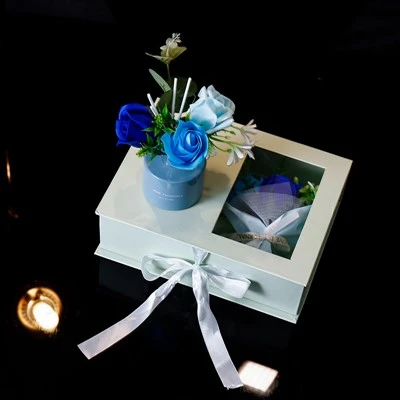
First, let’s get one common misconception out of the way: the “not in use” period isn’t just when you take the reeds out of the bottle. If you’ve poured extra oil into a separate container for refills, or even if you’ve left a partially used diffuser sitting on a shelf while you redecorate or travel, that’s when proper storage matters most. Reed diffuser oil is a delicate mix—usually a combination of fragrance oils, a carrier like mineral oil or fractionated coconut oil, and sometimes small amounts of preservatives to keep the blend stable. Each of these ingredients reacts differently to environmental factors, so failing to store it correctly can break down the scent, discolor the oil, or even make it unsafe to use over time.
The biggest enemy of reed diffuser oil is light—specifically, direct sunlight and even bright indoor light. Fragrance oils are highly sensitive to ultraviolet (UV) rays, which break down the aromatic compounds that make your diffuser smell like vanilla or lavender. I’ve seen this firsthand in our warehouse: a batch of lavender oil that sat on a windowsill for two weeks faded by 40% in scent strength, while the exact same batch stored in a dark shelf maintained its fragrance for three times as long. UV rays don’t just mess with the scent, either—they can cause the carrier oil to oxidize, turning it yellow or cloudy. If you’ve ever opened a container of old diffuser oil and cringed at the dull, murky look, light exposure is almost always the culprit.
So the first rule of storing unused reed diffuser oil is to keep it in a completely dark place. That means storing any extra oil, or a partially filled diffuser bottle, inside a cabinet, a closed closet, or a drawer. Even if you think a shelf near a window is “out of direct sun,” the subtle UV glow from a window can do damage over time, especially if you’re storing the oil for months at a time. When we package our own refill oils, we use amber or cobalt glass bottles for that exact reason—those colored glasses block most UV rays, so even if you have to keep the oil out on a counter for a short period, it’s less likely to degrade. If you’re using a plain clear plastic or glass container for refills, wrapping it in a dark cloth or storing it inside another box is an easy workaround.
Next on the list: temperature control. Heat is the second major threat to reed diffuser oil. Just like light, high temperatures speed up the oxidation process of carrier oils, which not only ruins the scent but can also lead to the oil separating or growing bacteria over time. I recommend storing reed diffuser oil in a cool, consistent temperature spot—between 15°C and 25°C (59°F and 77°F) is ideal. That means staying away from places like top of fridges, near radiators, or in the kitchen counter next to the stove, where temperatures can fluctuate drastically. Fluctuating temperatures are almost as bad as high heat; when oil expands and contracts as the temperature changes, it can break down the chemical balance of the fragrance blend, leading to a flat or odd smell.
This is especially important if you’re traveling with reed diffuser oil, or storing it for a long period during off-seasons. A few years ago, a customer reached out to us saying their seasonal pine diffuser they’d stored in their garage over the summer smelled like rancid oil when they pulled it out in November. The garage, which hit 35°C (95°F) that July, was enough to break down the carrier oil and make the scent unrecognizable. Now, we include a small storage tip card in every order, specifically warning customers to avoid temperature extremes.
Another often-overlooked factor is air exposure. When reed diffuser oil is in use, you have it open to the air (hence the reeds absorbing and releasing the scent). But when you’re not using it, leaving the bottle open is a quick way to let too much air in, which accelerates oxidation. Even if you have a tightly sealed cap, if the cap is left off, the oil can evaporate, and the scent will fade rapidly. I’ve seen customers leave a used diffuser sitting on their coffee table with the reeds in but the cap off for weeks, only to wonder why it smells weak—90% of the time, that’s from too much air coming into contact with the oil.
So the key here is to seal the oil tightly when it’s not in use. That means not just screwing the cap back on, but making sure it’s aligned properly and free of any oil residue around the threads. Even a small gap in the seal can let air in over time. If you’re storing a refill in a different container, pick one with a tight, air-tight lid—avoid containers with loose or plastic snap lids, as they often don’t create a proper seal. For example, we switched from standard plastic refill caps to crimp-seal lids for bulk refills a couple of years ago, and customer reports of oil going bad before use dropped by more than 60%. That’s how much of a difference air sealing makes.
Now, what about partially used diffusers that you want to save for later? Maybe you’re moving, or you want to switch scents in the same bottle and save the old oil for another space. The same rules apply here, with a few extra steps. First, take the reeds out of the oil, wipe them off with a clean cloth (to remove any excess oil that might drip or go rancid), and store them separately in a sealed bag. Then, wipe the opening of the diffuser bottle completely clean, making sure there’s no oil residue on the rim or threads that could prevent the cap from sealing tightly. Finally, replace the original cap (or a new one, if the original is damaged) and store the bottle in a dark, cool spot. This way, when you’re ready to use it again, the reeds will be ready to go, and the oil will still be full of scent.
One more tip I’ve learned from working with customers: label everything. It might seem small, but if you have multiple scents stored away, writing the name, the date you stored it, and the batch number on the container will help you keep track of how old the oil is. Reed diffuser oil doesn’t have an infinite shelf life—most high-quality blend lasts 12 to 18 months when stored correctly, but if you store it in bad conditions, that timeline can shrink to 3 to 6 months. Labeling also helps you avoid mixing old oil with new oil, which can throw off the scent strength of your new batch.

I know a lot of people think storing reed diffuser oil is overcomplicating something as simple as a home decor item. But as a supplier, I’ve heard enough stories of customers wasting money on good oil because they didn’t store it right to know it’s worth getting right. The good news is that all these steps are simple, and they don’t require any special tools or expensive containers. All you need is a dark spot, a cool spot, and a tight seal.
Scent Diffuser Machine At the end of the day, the goal is to make sure the oil you’ve invested in smells as good as the day you bought it, even when it’s not in use. If you’re a retailer looking to stock high-quality reed diffuser oil for your customers, or a homeowner wanting to make the most of your diffusers, we can help. Whether you need information on bulk orders, custom scents, or best practices for storing and using our products, don’t hesitate to reach out for more details.
References
- Industrial Fragrance Chemistry: Stability and Shelf Life, Society of Cosmetic Chemists, 2021
- “Shelf Life of Aromatic Oil Blends,” Journal of Home Fragrance Technology, Vol. 8, No. 2, 2019
- Guide to Fragrance Oil Storage for Candle and Diffuser Manufacturers, National Association of Wax and Fragrance Suppliers, 2022
- “Effect of Environmental Factors on Reed Diffuser Oil Degradation,” International Journal of Aromatherapy, Vol. 12, No. 4, 2020
Hangzhou Felshare Biotechnology Co., Ltd.
As one of the most professional reed diffuser manufacturers and suppliers in China, we also support customized service. We warmly welcome you to wholesale bulk advanced reed diffuser in stock here from our factory. Quality products and reasonable price are available.
Address: 3/F Building 4, No.1672 Nanhuan Road, Binjiang District, Hangzhou, Zhejiang, China
E-mail: sales08@felshare.com
WebSite: https://www.x-felshare.com/
