Hey everyone, if you’ve ever walked past a construction site where workers are laying bricks or spraying stucco on a building exterior, you’ve probably seen a reciprocating mortar pump in action—even if you didn’t know what it was. As someone who’s been a mortar pump supplier for over a decade, I get asked all the time, “What even is a reciprocating mortar pump, and why should I care about it?” Let me break this down like I would to a contractor stopping by my shop between jobs, no boring jargon included. Mortar Pump
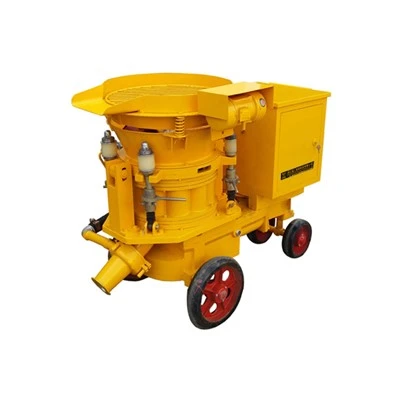
First, let’s start with the basics: mortar pumps aren’t just for construction folks. They move wet mortar, grout, stucco, or even thin-set cement from one place to another way faster than a bucket and a trowel ever could. A reciprocating mortar pump stands out because of how it actually moves that material—no fancy, complicated gears here, just a back-and-forth motion that makes it work. Think of it like how your leg moves when you walk: forward, back, repeat. That’s the reciprocating (back-and-forth) part.
Let me get into the nitty-gritty without putting you to sleep. Inside a reciprocating mortar pump, there’s a plunger (or a piston, depending on the model) that slides back and forth inside a cylinder. Here’s the step-by-step breakdown when it’s working: when the plunger pulls back, it creates a vacuum inside the cylinder. That suction pulls wet mortar from the hopper (the big tank on top where you load your material) into the cylinder through an inlet valve. Then, when the plunger pushes forward, it compresses that mortar, closes the inlet valve, and pushes the material out through an outlet hose to where you need it on the jobsite. That cycle repeats hundreds of times per minute, so it moves a steady stream of mortar—way more consistent than you’d get with a hand pump.
Now, why does this matter compared to other types of mortar pumps? A lot of contractors use diaphragm pumps too, right? Those use a rubber membrane to push material, but they’re way more prone to wearing out if you’re moving thick, heavy mortar. Reciprocating pumps? They handle denser mixes like a breeze. I’ve seen guys pump 100 feet of vertical grout (that’s stuff used to fill gaps between foundation blocks) with no issues, whereas a diaphragm pump would’ve burned out halfway through. They’re also way more accurate with flow rate—you can adjust how much mortar comes out per minute just by changing the engine speed, which is perfect for jobs where you need a steady amount, like stuccoing a wall or laying block on a high-rise.
Wait, let’s talk about common uses because that’s where most people connect the dots. If you’re a residential mason laying brick for a patio wall, a reciprocating mortar pump saves you from hauling 50-pound buckets of mortar up three stories. For commercial construction, think of a 10-story building’s exterior stucco application—you can cover a 1,000-square-foot wall in a fraction of the time it would take with hand tools. They’re also used for grouting post-tensioned cables in concrete bridges, restoring historic buildings (where you need consistent, matching mortar), even pouring self-leveling underlayment for flooring. I had a customer last year who used one to grout a 200-foot-long retaining wall—he told me it cut his crew’s time in half, and they didn’t have to pay extra for overtime.
Now, let’s get real about the pros, because no piece of equipment is perfect. The biggest win with reciprocating mortar pumps is their durability. Like I said earlier, they’re built for thick, abrasive materials, so if you’re working with mix that has aggregate (little stones) in it, this pump won’t break down as fast as other types. They also have a smaller footprint—most models are trailer-mounted or compact enough to fit through a standard jobsite doorway, so you don’t need a big truck to haul them. Oh, and they’re super easy to maintain: you just clean the hoses after every use, check the plunger seals once a week, and that’s it. No complicated electronics, so if something goes wrong, a technician can fix it on-site instead of waiting for a part from a far-off warehouse.
But wait, there are a couple of downsides I should be honest about, since I’m not here to sell you something blind. First, they’re a bit louder than diaphragm pumps—think of a lawnmower running all day, not a whisper quiet office. That’s not a big deal for most construction sites, but if you’re working in a residential neighborhood early in the morning, you might need to check local noise rules. Second, if you don’t clean them properly right after use, the mortar can dry inside the cylinder and damage the plunger, so you can’t just walk away after finishing a job. That’s a small hassle, but worth it for the time and labor you save.
Let me share a quick story to put this in perspective. A few months back, a mason named Jake came into my shop. He was working on a 4-unit apartment complex, and his old pump (a diaphragm one) had broken mid-project, leaving his crew stuck with buckets. He told me he was falling behind schedule and would’ve lost money if he had to rent another pump. I showed him our compact reciprocating mortar pump, walked him through how it works, and he rented one that day. A week later, he texted me saying his crew was 3 days ahead of schedule, and the pump had zero issues with the thick masonry mortar they were using. That’s the kind of real-world result I love seeing—reciprocating pumps aren’t just a piece of equipment, they save guys like Jake time and money.
Now, how do you know if a reciprocating mortar pump is right for your jobs? Let’s break it down: if you’re working with heavy, dense materials (grout, structural mortar, thick stucco), if you need to pump over long distances (horizontal or vertical), if you have a medium to large project (more than a small patio, less than a bridge), and if you don’t mind a little noise and a quick daily clean, this is your pump. If you’re just doing a small backyard brick wall that only needs a few buckets of mortar, maybe a smaller hand pump is fine, but for anything bigger? Reciprocating is the way to go.
Wait, I get another question a lot: can these pumps handle different types of mortar? Yep, as long as you mix it correctly. I always tell customers to keep their mix at the right consistency—not too runny that it drips everywhere, not so thick that it clogs the hose. If you mix it like peanut butter (not runny, not solid), the reciprocating pump will move it perfectly. I’ve seen guys try to mix it like paste and clog the inlet, but that’s user error, not the pump’s fault.
Another thing to note: modern reciprocating mortar pumps have come a long way. Old models were big, heavy, and hard to move around, but now there are compact, electric ones for indoor jobs (like remodeling a basement or finishing a commercial interior) and diesel ones for outdoor construction sites. Some even have variable speed controls, so you can adjust the flow from 1 gallon a minute up to 10, which is great for precision work vs. big bulk jobs.
Let’s talk maintenance again, because that’s a big part of why a lot of guys shy away from pumps. With a reciprocating pump, the main parts to check are the plunger seals and the inlet/outlet valves. If you clean the pump right after every use (rinse the hoses and cylinder with water, take apart the hopper to get any leftover mortar out), those seals will last 6-12 months, depending on how much you use it. If you let mortar dry inside, you’ll have to replace the plunger, which is a bigger fix. It’s like cleaning your car after a muddy drive—small effort now saves big money later.
I’ve been in this business long enough to see contractors go from hand tools to basic pumps, then upgrade to reciprocating pumps once they realize how much time they save. Labor is the biggest cost on any construction job, right? If your crew can lay mortar twice as fast with a pump, you’re not paying them for hours they don’t have to work. That’s the value that a lot of people miss—this isn’t just a “cool machine,” it’s a way to make your jobs more profitable.
Now, if you’re reading this and thinking, “I need a reciprocating mortar pump for my next project, but I don’t know which one to get” or “I want to rent one instead of buy for a single job,” that’s exactly why my team is here. Whether you’re a small residential mason, a general contractor working on a commercial build, or someone restoring a historic property, we can help you pick the right pump for your needs. We also offer training—no need to figure it out on your own, we’ll walk you through how to load the hopper, adjust the flow, and clean it properly so you don’t run into issues on-site.
I should also mention that we stock replacement parts, so if a seal wears out mid-job, we can get it to you the same day. No waiting weeks for a part to ship, no being stuck on a jobsite because of a broken pump. That’s the kind of support that makes a difference, especially for guys who rely on their equipment to make a living.
Let me wrap this up so it’s not too long. At the end of the day, a reciprocating mortar pump is a workhorse for moving wet, thick construction materials efficiently. It uses back-and-forth plunger motion to create suction and pressure, handles dense mixes better than most other pumps, saves you time and labor, and is durable enough to stand up to a busy jobsite. It’s not perfect, but for almost any project that’s more than a small DIY job, it’s worth every penny (or every rental fee).
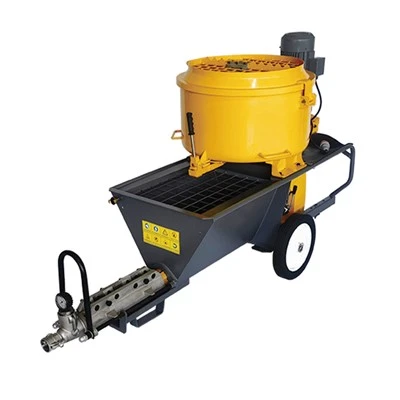
If you’re ready to learn more, or you want to chat about which pump fits your project best, don’t hesitate to reach out and connect with us to discuss your mortar pump needs. We’re here to help, whether you’re a seasoned contractor or just getting started in the trades.
Manhole Sprayer References:
- Construction Owners Association of America. (2022). Modern Equipment for Masonry and Concrete Applications.
- National Tile Contractors Association. (2021. Grouting Technology and Equipment for Commercial Flooring.
- Masonry Contractors Association. (2023). Tools and Techniques for Efficient Mortar Application.
- Equipment World. (2022). Choosing the Right Mortar Pump for Your Construction Job.
- Historical Preservation Education Foundation. (2021). Mortar Mixing and Application for Historic Building Restoration.
Zhejiang Wengong Intelligent Technology Co., Ltd.
Zhejiang Wengong Intelligent Technology Co., Ltd. is one of the most professional mortar pump manufacturers and suppliers in China. With abundant experience, we warmly welcome you to buy durable mortar pump made in China here and get quotation from our factory. Quality products and reasonable price are available.
Address: No.111 Huakang Road, Liuao Village, Qiaoxia Town, Yongjia County, Wenzhou City, Zhejiang Province, China
E-mail: sales007@cngcjx.com
WebSite: https://www.wallgoe.com/
