Alright, let’s get this straight. As a pin shaft supplier, I’ve seen my fair share of broken pin shafts come back through our loading docks. Guys, let’s be real—when a customer’s machinery seizes up because of a snapped pin shaft, it’s not just a part failure, it’s a headache that costs them hours of downtime, and us credibility if we can’t figure out what went wrong fast. Today, I’m breaking down exactly why a pin shaft breaks, from the obvious stuff to the sneaky, hidden issues that even seasoned mechanics miss. No textbook jargon here—just real-world stuff I’ve picked up over 10+ years of selling these things. Pin Shaft
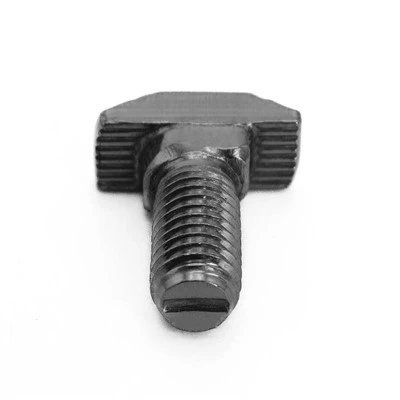
First off, let’s talk about overload. This is the big one, and it’s the most straightforward, but it’s also the one that gets misdiagnosed all the time. Let’s say you’ve got a pin shaft holding two parts together, like in a farm tractor or a construction excavator bucket. That pin’s designed to take a specific maximum load—say, 5,000 pounds of force. But if someone cranks the machine beyond that? Like, pushing the bucket too hard into rocky ground because they’re trying to beat a deadline? The pin doesn’t just bend—it snaps. Here’s the thing though: it’s not just sudden overload. I once had a guy bring back a pin shaft that looked like it’d been sheared straight, and he swore he never pushed the machine too hard. Turns out, he’d been using his tractor to haul way more weight than that pin was rated for for months—slow, constant overload that fatigued the metal until it finally gave out. Most people only think overload is a sudden snap, but slow overload is the silent killer. We always print load ratings on our pin shafts, but I swear some guys don’t even glance at that sticker before they hook their equipment up.
Next up, material defects or bad manufacturing. Let’s be clear—this isn’t our stuff, usually. We use grade 8 alloy steel for most of our heavy-duty pins, and we heat-treat ’em properly, so our pins don’t fail here. But I’ve seen cheap, no-name pins from online discount stores that break the second they’re installed. What’s wrong with those? Maybe the steel is wrong—like, they used regular mild steel instead of alloy, which is way weaker. Or they skipped heat treatment, so the pin is soft and can’t handle any stress. Even small manufacturing mistakes can do it: a tiny, hidden crack from improper machining, or a surface that’s too rough, which creates stress points right where the pin is supposed to hold the load. Last quarter, we had a customer who bought a pin from another supplier that broke on his conveyor belt, and when we looked at it, the surface had these weird little ripples from bad cutting—those ripples were stress risers that caused the pin to snap at like 30% of its rated load. That’s why buying from a reputable supplier matters, folks—cutting corners on materials or manufacturing is a fast track to broken pins and lost money.
Then there’s fatigue failure, and this is the sneaky one. Fatigue happens when a pin is under constant, repeated stress over time, even if that stress is under the load rating. Like, think of a pin in a car’s suspension that flexes every time you hit a pothole, or a pin in a conveyor belt that twists every time the belt turns. Over thousands and thousands of those tiny flexes, microscopic cracks start to form. At first, you can’t see ’em—they’re like hairline fractures. But after months or years, those cracks grow until the pin can’t take it anymore, and it breaks suddenly, even if you never once overloaded it. I had a landscaper bring back a pin last year that snapped on his skid steer’s bucket hinge. He said he never pushed it too hard, and when we tested the new pin we sent him, it held up to the full load—turns out, the pin had been flexing every time he dumped a load of mulch, 100 times a day, for two years. Those repeated stress cycles killed it. Fatigue is why we recommend regular inspections—you can catch those tiny cracks before they turn into a full break. A 5-minute check every week can save you from hours of downtime and a new pin shaft.
Corrosion is another culprit that gets overlooked. If you’re using pin shafts in outdoor, wet, or dirty environments—like farming, construction, marine work—rust is a problem. Wait, not just surface rust. Corrosion eats tiny pits into the pin shaft. Those pits are like little stress points, just like the bad machining ripples I mentioned earlier. When a pin is under load, those pits cause the stress to concentrate, and the pin breaks way sooner than it should. I had a marina customer who was using our stainless steel pins for their boat lifts, but they weren’t coating them properly, and they were leaving the lifts out in saltwater 24/7. The pins corroded, got pits, and two of them broke in the middle of a storm—thankfully no one got hurt, but they had a $10,000 boat that almost fell. Stainless steel isn’t invincible in saltwater, guys—you still need to maintain it, and even then, constant corrosion can weaken it over time. Carbon steel pins are even worse; if they get rusty, the strength drops fast. We always warn customers in corrosive environments to either go for 316 stainless steel (the marine-grade stuff) or apply a protective coating regularly.
Misalignment and improper installation—oh, this is a huge one that so many people mess up. Let’s say you’re putting a pin shaft through two holes in a piece of machinery, and the holes aren’t perfectly lined up. Or you hammer the pin in too hard, or not hard enough? No, wait—if you misalign the parts, the pin isn’t taking the load straight. It’s twisting, bending, and taking side stress that it’s not designed for. That side stress is way more likely to make the pin break than the intended load. I once had a customer who installed a new pin on his front loader, and he said it broke the first time he used it. When we went out to look, the holes in the bucket and the arm were off by like a quarter of an inch—he tried to force the pin through, which bent it and put so much stress on one side that it snapped immediately. Also, if you don’t secure the pin properly—like if you don’t use a cotter pin or a retaining clip, so it slides out and wears against the hole—that causes friction, which wears the pin down over time until it’s too thin to hold the load. Improper installation is 90% of the avoidable pin failures I see, and it’s so easy to fix—just make sure the parts are aligned, and secure the pin right.
Wait, let’s not forget about wear. Over time, pin shafts wear down. Every time the part they’re holding moves, there’s friction between the pin and the hole it’s in. That friction wears the pin’s diameter smaller and smaller. A pin that’s supposed to be 1 inch might wear down to 7/8 of an inch, which means it can’t handle the same load it was rated for. So even if you’re not overloading it, once the pin is worn beyond its limit, it’ll break. That’s why regular lubrication is important too—lubrication reduces friction, which reduces wear. If you skip greasing your pins, they’ll wear out faster, leading to breaks. I’ve seen pins that were only 6 months old break because the customer never lubricated them, just let them run dry.
Let me wrap this up with a quick story to drive it home. A few months back, I had a regular customer who runs a fleet of delivery trucks come to me with three broken pin shafts for their trailer hitches. He swore he was using our pins, not cheap ones, and he never overloaded them. We looked at the broken pieces—two had fatigue cracks, one had corrosion pits. Turns out, his drivers were going over rough back roads every day, and the pins were flexing nonstop, plus they were in the salt on the roads in winter, so corrosion was setting in. We talked to him about installing vibration-dampening bushings to reduce flex, and switching to our marine-grade stainless pins for the winter months. He did that, and he hasn’t had a broken pin in 6 months. That’s the thing—most pin shaft breaks aren’t random. They’re from one of these issues, and they’re preventable.
So, if you’re dealing with broken pin shafts right now, before you go blaming the supplier (and yeah, sometimes it is the supplier—like if they sent the wrong size or bad material), go through this checklist: Are you overloading the pin? Are you buying from a reputable source? Are you doing regular inspections for cracks and corrosion? Are your parts aligned and installed correctly? Are you lubricating them? 9 times out of 10, one of these is the problem.
If you’re in the market for new pin shafts that are built to last, don’t cut corners. We’ve got a range of pins for every application—heavy-duty steel for construction, stainless for marine, everything properly heat-treated and tested. Whether you need a single replacement pin or a bulk order for a fleet, we can help. Hit us up to chat about your specific needs, and we’ll make sure you get the right pin that won’t let you down mid-job.
Rivet References:
- Degarmo, E. P., Black, J. T., & Kohser, R. A. (2011). Materials and Processes in Manufacturing. Wiley.
- Shackelford, J. F. (2014). Introduction to Materials Science for Engineers. Pearson.
- American Society of Mechanical Engineers (ASME). (2020). Design of Machine Elements. ASME Press.
- NACE International. (2018). Corrosion Control in Industrial Equipment. NACE International.
Wuyuan Jieyi Automotive Electrical Appliance Co., Ltd.
As one of the most professional pin shaft manufacturers and suppliers in China, we’re featured by quality products and good service. Please rest assured to wholesale bulk durable pin shaft in stock here from our factory. We also accept customized orders.
Address: No. 7 Likeng Road, Industrial Park Wuyuan County, Shangrao City, Jiangxi Province
E-mail: wyjydqz@163.com
WebSite: https://www.wyjydq.com/
