Hey everyone, let’s cut to the chase – if you’re running a dairy farm, you know the worst (and I mean worst) thing is wasting time or money because you skipped a crucial implement. I’ve been in the farm implements game for over a decade, chatting with dairy owners from small 50-cow setups to 2,000-cow operations across the Midwest and Pacific Northwest. I’ve seen guys try to “get by” with a beat-up old tractor that can’t pull a round baler, or skip a modern feed mixer and end up lopsided rations that tank milk production. Today we’re breaking down the non-negotiable gear – no fluff, no fancy jargon, just what actually moves the needle for dairy farms. Farm Implements
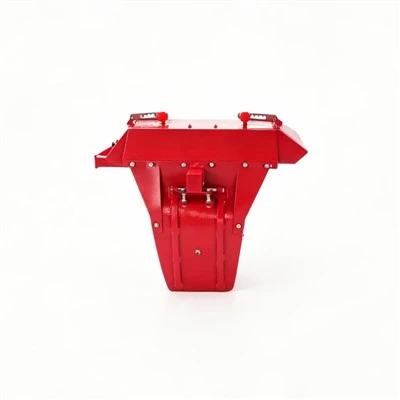
First, let’s talk about tractors. Wait, not just any tractor – we’re talking a reliable workhorse, because dairy farms run 24/7 during critical seasons, and a breakdown doesn’t just delay work, it stresses cows (hello, lower milk yield). For smaller farms (under 100 cows), a 75–100 horsepower compact utility tractor is perfect – it’s nimble enough to weave between barns and feed bunks, and can handle light haying, loader work, and pulling small implements. But if you’re mid-sized to large, you need at least two tractors: one 120–180 hp for heavy-duty stuff like pulling a forage harvester or hauling grain, and a smaller backup for daily tasks like cleaning stalls or moving feed bins. Pro tip: Look for one with a PTO (power take-off) that runs at 540 and 1000 RPM – that’s non-negotiable for most dairy implements. I’ve seen owners skimp on this and end up having to rent a separate motor for their feed mixer; total waste of cash.
Next up, feed handling equipment – this is the bread and butter, literally, because 50–60% of a dairy cow’s milk production comes from nutrition. Let’s start with the feed mixer wagon. Do NOT use a old, stationary mixer or just hand-mix feed – inconsistency kills. Total mixed ration (TMR) mixers are the gold standard here. They have vertical or horizontal augers that blend hay, silage, grain, protein supplements, and minerals perfectly every time. Why does that matter? If a cow gets too much grain one day, she’s at risk for acidosis (a painful digestive issue), and if she’s short on fiber, her rumen doesn’t function right – both hit milk numbers. For small farms, a 500–800 cubic foot mixer works; larger farms go 1,000 cubic feet or more, often with multiple augers to mix faster. I had a client last year with a 200-cow farm who tried to save $10k by buying a used horizontal mixer. It left clumps of hay on top and grain at the bottom – within two months, his milk production dropped 8% and he had three sick cows. He’s now one of my repeat customers for the new vertical mixer.
Then, you need a way to move that TMR to the cows – that’s a feed pusher or a feed delivery truck. For small farms, a skid steer with a feed pusher attachment works great – it can nudge feed back into the bunks so every cow has access, and you can use it for other jobs like cleaning manure or moving pallets. For larger operations, a self-propelled feed delivery truck is a game-changer – it holds more TMR, has an automatic measurement system so you don’t overfeed, and can cover 500+ cow spots in an hour. I once advised a 1,500-cow farm to upgrade from a skid steer to a self-propelled truck; they cut their feed labor time by 30 hours a week, which was enough to hire a part-time vet to check on cows daily. That’s the kind of ROI you can’t ignore.
Now, forage harvesting equipment – because dairy cows live on high-quality hay and silage, right? If you’re growing your own forage (which most dairy farms do to keep costs down), you need a forage harvester, not a regular hay baler, to make silage. Silage is fermented corn, grass, or alfalfa that’s stored in bunkers or bags, and it’s the main fiber source for most herds. A pull-type forage harvester works for small to mid-sized farms, but large operations need a self-propelled one that can cut, chop, and blow silage into a wagon in one pass – that cuts down on field time, which is huge if you have to get hay in before rain. You also need a round baler for extra hay, but wait – make sure it has a net wrap attachment, not just twine. Twine can end up in the feed, and cows eat it by mistake, causing blockages that require expensive surgery. I can’t tell you how many vets I’ve worked with who’ve had to remove twine from cow stomachs – that’s a cost no farm needs. Man, it’s crazy how one small attachment prevents that.
Manure handling is another must-have, not just for sanitation but for nutrient management (you can actually reuse manure as fertilizer for your forage fields, so it’s a money-saver too). A solid-manure spreader is essential – no more piling manure into giant heaps that smell bad and attract pests. For farms with liquid manure systems, a pump and tanker truck to haul it to fields works well, but solid spreaders are more versatile for smaller setups. The key here is a spreader that can spread manure evenly, so you don’t over-fertilize one spot and under-fertilize another. Over-fertilizing leads to runoff that pollutes water sources, which is a big regulatory headache these days – I’ve had clients hit with $50k fines for not managing manure right. So skip the cheap, clunky spreader; invest in a good one that’s calibrated to spread evenly.
Wait, let’s not forget cow comfort and health – because happy cows give more milk. That’s where stall equipment comes in. You need a stall cleaner or a barn groomer – this machine sweeps manure and bedding from the stalls, keeping them clean and dry. Dirty stalls lead to mastitis (a udder infection) which is the #1 cause of milk quality issues and culling cows. A good barn groomer cuts down on stall cleaning labor by 50% – instead of two guys shoveling stalls all day, one guy can run the groomer. Also, if you have a robotic milking setup (which more and more farms are switching to), you need the right equipment to feed and move cows to the robots, but even conventional milking parlors need a reliable way to prep cows before milking – a cow brush, for example, that cows can use to groom themselves, reduces stress and leads to more consistent milk letdown. I know it sounds trivial, but I had a client who installed automatic cow brushes and saw a 4% boost in milk production within three months.
Now, let’s talk about smaller but still essential tools. A tractor-mounted loader is non-negotiable – you need it to load feed bags, move heavy bales, lift equipment, even pull stuck vehicles. For many dairy farmers, it’s the most-used implement on the farm. You also need a reliable water tank and pump system – cows drink 30–50 gallons of water a day, so if your pump breaks, you’re in a crisis in hours. Don’t skimp on this; get a pump with a backup power source (like a generator) in case of blackouts, which are common in rural areas. Last year, a client lost power in a storm for 12 hours because he had a cheap pump with no backup – 20 cows stopped eating, and they had to buy emergency water at $50 a barrel. Total disaster.
Wait, I should mention one more big-ticket item: a grain dryer. If you’re growing your own corn for grain or feed, you need to dry it down to 15% moisture (or lower) to prevent mold and spoilage. If you harvest corn at too high a moisture level, it rots in storage, and you lose thousands of dollars. A grain dryer pays for itself in one or two harvest seasons – I’ve had farmers tell me that using a dryer cut their corn loss by 20% in the first year. Don’t even think about drying corn in the sun anymore – that’s old-school and risky, especially if you live in a area with unpredictable weather.
Let’s get real for a second – I’ve heard every excuse: “I don’t have the money for a new feed mixer” or “My old tractor runs fine.” But here’s the thing: every implement I’ve mentioned pays for itself in saved time, lower labor costs, better cow health, and higher milk production. Dairy farming is a tight-margin business – even a 1% boost in milk yield, or a 5% drop in vet bills, adds up to thousands of dollars a year.
If you’re outfitting or upgrading your dairy farm, you don’t have to buy all new gear at once – we can work with you on used equipment, or custom packages that fit your herd size and budget. No pressure, no sales pitches that don’t make sense for your farm.
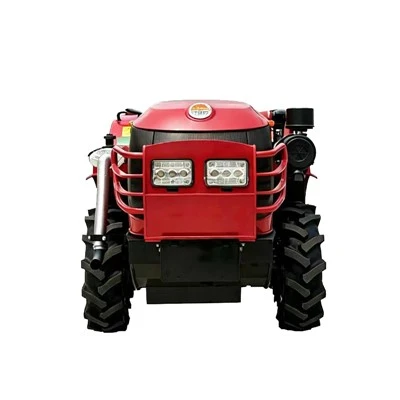
Utility Tractors If you’re ready to stop dealing with breakdowns, sick cows, and lost profits, reach out – we can walk through your farm, figure out exactly what you need, and get you set up with gear that works for your operation. No generic advice, no overpriced junk – just tools that help you run a smoother, more profitable dairy farm.
References
- USDA Agricultural Marketing Service. (2022). Dairy Nutrient Management Guide: For Small to Mid-Size Operations. U.S. Department of Agriculture.
- International Dairy Federation. (2021). Impact of Total Mixed Ration Consistency on Dairy Cow Milk Production and Health. IDF Bulletin 476.
- American Society of Agricultural and Biological Engineers. (2020). Standard for Forage Harvester Performance Calibration. ASABE S358.2.
- National Milk Producers Federation. (2023). Cow Comfort Best Practices for U.S. Dairy Operations. NMPF Technical Report.
Shandong Jiayuan Agricultural Equipment Co., Ltd.
As one of the most professional farm implements manufacturers and suppliers in China, we have world-leading production equipment and strong manufacturing capabilities. Please feel free to buy advanced farm implements for sale here from our factory.
Address: No.2, No.002777 Zhongjiang West 4th Street, Yangzi Subdistrict, Binhai District, Weifang City, Shandong Province, China
E-mail: sdjynyzb@163.com
WebSite: https://www.jiayuantractor.com/
