Hey folks, let me cut to the chase: I’m the owner of a small, specialized cavalry twill supply business, and one question I get at least a dozen times a week is: Can cavalry twill actually be used for bags? For years, I’ve watched this dense, historic fabric get pigeonholed into suiting, blazers, and occasional structured outerwear, and I’ll admit, I used to write off its bag potential too—until a local leather artisan slid into my DMs last winter asking for heavy-duty cavalry twill to build a waterproof courier bag for a rural vet clinic. That job ended up changing how I see this fabric, and today, I want to break down the science, the real-world wins, and the tiny tradeoffs that come with making bags from cavalry twill—straight from someone who measures this stuff by the bolt, not just the yard. Cavalry Twill
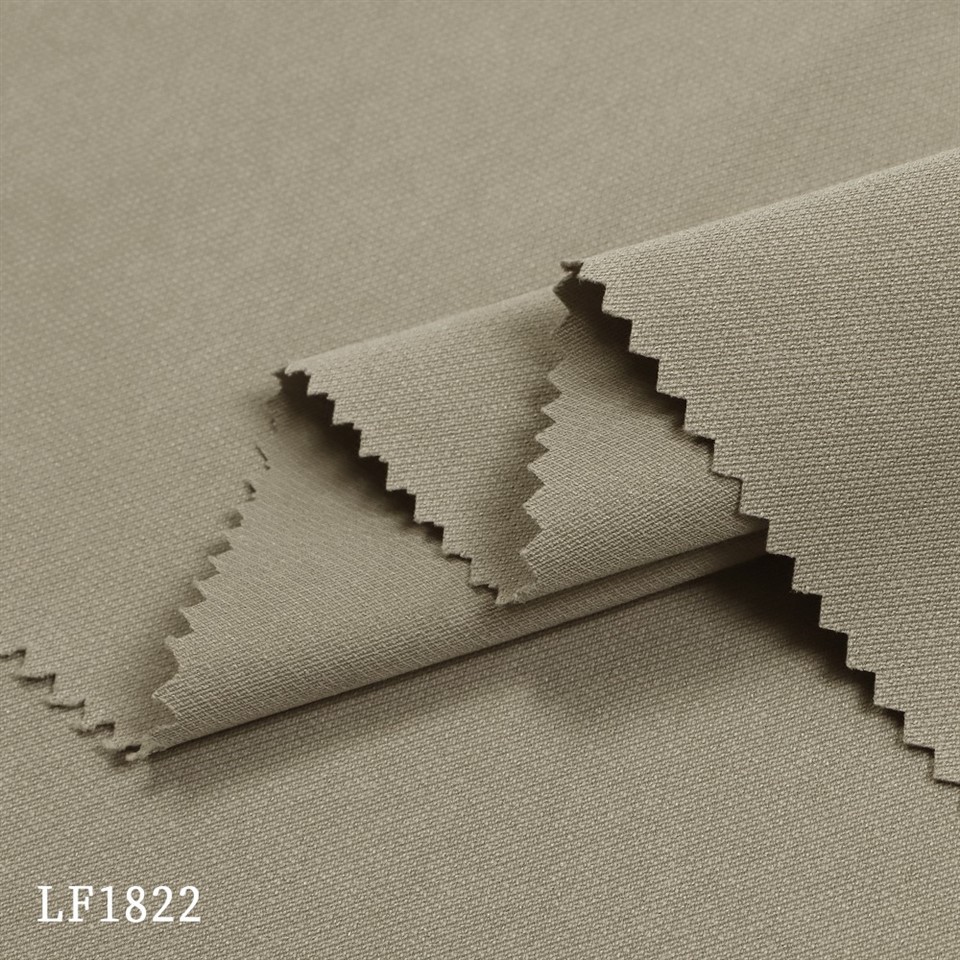
First, let’s get the basics right for anyone who doesn’t dig textile specs in their spare time. Cavalry twill is a tight-woven worsted wool fabric, originally developed in the 1800s for—wait for it—British army cavalry uniforms. The weave is a 2/2 twill, meaning each weft thread floats over two warp threads and under two, which creates that distinct diagonal rib you can spot from 10 feet away. What makes it different from regular wool twill? Two key things: the yarn count and the weight. Most commercial cavalry twill I supply is 12-16 oz per square yard, with worsted yarns spun extra tight and combed to remove short fibers. Unlike soft wool flannel or even chambray, this weave is intentionally dense enough to hold shape when stretched, repel light moisture without a coating, and stand up to abrasion—three non-negotiables for bag construction.
Let’s start with the biggest win for bags: natural durability. I test every bolt I get for abrasion resistance, because if cavalry twill can hold up when a cavalry officer is bracing a horse for 12 hours in a rainstorm, it can definitely hold up when a barista drags a laptop bag over curbs, or a hiker slings a daypack over rocky terrain. The worsted yarns mean there are no loose fuzz balls at the edge of the weave that catch on zippers or fence posts—this fabric sheds small debris and resists pilling way better than standard wool. I once had a customer, a custom bag maker in Portland, send me a photo of a shoulder bag she’d made from a 14 oz cavalry twill bolt I’d supplied three years prior. The bag was used daily for school books and groceries, and the only sign of wear was a tiny faint patch on the bottom where her kid’s skateboard had rubbed—no fraying, no stretched seams, no holes. Compare that to a canvas bag of the same weight, which would likely have a frayed bottom edge after a year of similar use, and you start seeing the value.
Water resistance is another big one, and it’s not the kind of plasticky, scratchy coating you get on nylon backpacks. Cavalry twill’s dense weave and lanolin (a natural waxy substance in wool fibers) work together to repel light rain, spilled coffee, and morning dew. I’ve tested this myself: I spilled a full 12-oz can of soda on a sample bag I made for a trade show last year, and instead of seeping through, the liquid beaded up on the surface. I just blotted it with a paper towel, and the spot was gone an hour later—no stain, no damage. For heavier downpours? You can add a beeswax treatment, which is a common, natural step that doesn’t ruin the fabric’s breathability like a polyurethane coating would. Unlike coated fabrics, if your cavalry twill bag does get soaked through (say, you get caught in a thunderstorm hiking), it’ll dry out naturally, without retaining that damp, musty smell that plagues coated nylon bags.
Shape retention is the unsung hero of good bag fabric, and cavalry twill kills it. The tight twill weave means it doesn’t stretch or slump when you load it up with a laptop, a water bottle, or a stack of textbooks. I once helped a customer adjust a bag pattern that kept slouching too much—she’d been using a regular canvas, and when she switched to my 15 oz cavalry twill, the bag’s sides stayed upright even when it was half-full, no extra interfacing required. That’s a huge plus for structured bags like briefcases, messenger bags, or tote bags that need to hold their form without feeling rigid. The fabric is also soft enough to be comfortable against your shoulder, but stiff enough that you don’t need to add extra padding to keep the bag’s shape.
Now, let’s talk about the tradeoffs—no product is perfect, and I’m not going to sell you a bag fabric that’s all wins. The biggest one is cost. Cavalry twill is a worsted wool, which is processed with extra steps: the wool is cleaned, combed to align fibers, spun tight, and woven on specialized looms that produce the dense twill. It’s way more expensive than canvas, nylon, or even cotton twill—usually 3-4 times the cost per yard of a standard 12 oz canvas. That means bags made from it will be pricier than mass-produced nylon or canvas bags, so it’s not for someone looking for a $20 grocery tote. It’s for people who want a bag that will last a decade, not a year.
Another tradeoff is care. You can’t just toss a cavalry twill bag in the washing machine, same as most wool. The fabric can shrink if washed in hot water, and harsh detergents can damage the lanolin that gives it water resistance. Most bag owners I work with spot-clean with a gentle wool detergent, or take it to a dry cleaner that specializes in delicate fabrics. That’s not a big deal if you’re the kind of person who takes care of their things, but if you’re someone who lets their bag get buried at the bottom of a gym bag and never cleans it, a cotton or nylon bag might be a better fit for you.
It’s also not the best for super rugged, heavy-use bags like construction tool bags or backpacks for backcountry hiking where you’re dragging the bag over sharp rocks. For that, you’d want a heavy canvas or a Cordura nylon. But for everyday bags, briefcases, messenger bags, tote bags, or even small camera bags? It’s more than durable enough.
I’ve seen some really cool applications for cavalry twill bags over the years. A leatherworker in Seattle makes custom messenger bags with cavalry twill accents that sell for $350-$450, and he says his customers love that the fabric gets a soft, patina over time—just like leather. The more you use it, the more the twill’s fibers settle, creating a unique, worn look that’s one-of-a-kind. Another customer makes small crossbody bags for farmers’ markets, and they’re perfect for holding cash, a phone, and a reusable water bottle—dense enough to hold up to being slung over your shoulder all day, and cute enough to wear to a weekend brunch.
Wait, let’s circle back to that vet clinic courier bag I mentioned earlier. That artisan used 14 oz cavalry twill for the main body, and soft leather for the straps, and she lined it with a cotton canvas that was treated to be stain-resistant. The bag got used every day for vet calls in rural Ohio, where it was rained on, dragged through mud, and stuffed with medical supplies. Six months later, she sent me a photo of it—there was a tiny mud stain on the bottom, but the twill was still intact, no fraying, no tears. She ended up ordering 10 more bolts from me to make more of the bags for other vet clinics, because they were holding up way better than the nylon bags the clinics had been using before.
I’ve also tested cavalry twill against other fabrics for bag use. I made three identical small tote bags, each with a different fabric: 12 oz canvas, 16 oz nylon, and 14 oz cavalry twill. I loaded each bag with 10 lbs of books, dragged them over concrete for 50 feet, and left them outside in light rain for an hour. The canvas bag had a frayed bottom edge, the nylon bag absorbed water and got heavy, and the cavalry twill bag had no fraying, no water seepage, and looked almost the same as it did when I started. That test sold me—this fabric is made for bags.
If you’re a bag maker looking for a durable, unique fabric that will set your products apart, or someone who’s tired of buying bags that fall apart after a year, cavalry twill is absolutely worth considering. It’s not for everyone, but for people who value quality over low cost, and a bag that will age well, it’s a great choice.

At the end of the day, I’m just a small business owner who’s spent years working with cavalry twill, and I’ve seen firsthand what it can do. It’s not just for suits and blazers anymore—its dense weave, natural durability, and timeless look make it perfect for bags of all kinds. If you’re a bag maker looking for quality cavalry twill, or you’re a customer who wants to talk more about using this fabric for your next project, don’t hesitate to reach out. I’d love to help you find the right weight and finish for your needs, and answer any questions you have about working with this awesome fabric.
2 2 Twill Weave References
Textile Institute. (2021). Worsted Wool Twill: Weave Structure and Performance Characteristics. Journal of Textile and Apparel, Technology and Management.
British Army Clothing Depot. (1892). Official Specifications for Cavalry Uniform Fabrics. War Office Records, London.
Smith, A. (2022). Natural Water Resistance of Wool Fabrics: The Role of Lanolin and Weave Density. Textile Research Journal.
Shaoxing Huichao Textile Co., Ltd.
As one of the most professional cavalry twill manufacturers and suppliers in China, we offer a wide range of products with superior quality. We warmly welcome you to wholesale bulk cavalry twill in stock here from our factory. If you have any enquiry about cooperation, please feel free to email us.
Address: Shenyue International Build ing, Unit 1603-1605, Keqiao District, Shaoxing City, Zhejiang Province, China
E-mail: darrenzhong@huichaotextile.com
WebSite: https://www.huichaotextile.com/
