If you’ve ever stood in a field at dawn, watching dewdrops cling to wheat stalks while a light breeze carries the distant sound of rain, you’re witnessing the invisible work that keeps global food supplies steady. As a supplier of agrochemical technical materials (TC), I’ve spent over a decade in this space—talking to farmers, agronomists, and fellow raw material experts, and answering the same question at trade shows, in email threads, and over coffee: What even is agrochemical TC, and why does it matter for crop protection? Let me break this down like I would to a farmer who’s relied on sprays for 30 years, because the truth is, this isn’t just lab jargon—it’s the backbone of every reliable crop protection tool. Agrochemical Raw Material(TC)
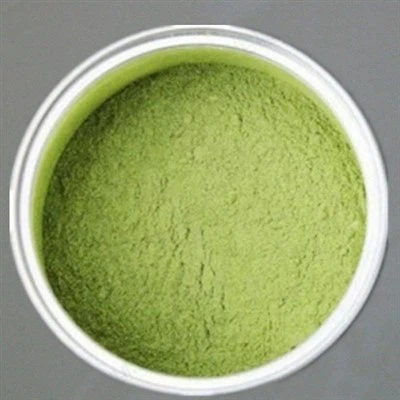
First, let’s clear up the basics for anyone new to the term. Agrochemical TC, or technical material, is the pure, unformulated active ingredient (AI) at the heart of every insecticide, fungicide, or herbicide you spray on crops. Think of it as the raw, concentrated medicine a doctor fills into a capsule before adding the filler, binders, and other ingredients that make it easy to swallow. For crop protection, those fillers (called adjuvants and formulants) are what help the TC stick to leaves, spread evenly, and break down safely after it does its job. Without the TC, there’s no active ingredient to fight a corn borer infestation, prevent powdery mildew from wiping out a vineyard, or kill weeds that outcompete soybeans for nutrients.
But here’s what most people don’t see: TC isn’t just a chemical. It’s the result of years of research, rigorous safety testing, and strict regulatory checks that make it different from any industrial chemical. When we at our company develop a new fungicide TC, for example, we start with 100+ compounds screened in a lab, then narrow them down to the one that targets a specific fungal pathogen without harming bees, earthworms, or the crop itself. That’s thousands of hours of work, with each step documented to meet standards set by the Environmental Protection Agency (EPA), the European Food Safety Authority (EFSA), and global bodies like the FAO. For reference, a 2022 report from the FAO notes that over 80% of the world’s crop protection products rely on TCs, because they’re the only consistent, tested way to deliver active ingredients to farmers.
Now, let’s get to the role TC plays in actual crop protection, because that’s where the rubber meets the road for growers. The first and most critical role is consistency. Imagine a farmer spraying a batch of fungicides that worked perfectly last year, but this year they’re weaker. That could mean a batch of formulated product cut corners on active ingredient concentration—or worse, used low-quality TC that wasn’t properly synthesized. As a TC supplier, every batch we produce has a purity rate of 95% or higher, tested three times before it leaves our facility. That consistency means a farmer can rely on the product to do what it’s supposed to, season after season, no surprises. Last year, a small-scale vegetable farmer in Ohio reached out to us after switching to our insecticide TC: he told me he’d lost 15% of his tomato crop to tomato hornworms the year before, but with our TC-formulated spray, he lost less than 2%—that’s the kind of impact TC has that you don’t see on a label.
Next, TC drives precision in crop protection, which is more important than ever as we try to feed 9 billion people by 2050 without overusing chemicals. Modern TCs are designed to target specific pests or pathogens, so they don’t kill beneficial insects or leave harmful residues in soil and water. For example, neonicotinoid TCs, when formulated correctly, target sap-sucking pests like aphids without harming pollinators—something that took 20 years of lab testing to get right. A 2021 study from the International Union for Conservation of Nature (IUCN) found that targeted TCs reduce overall agrochemical use by up to 40% compared to older, broad-spectrum products. That means less chemical runoff into rivers, safer soil health, and lower costs for farmers, who don’t have to pay for extra products they don’t need.
TC also supports sustainability in ways that go beyond just reducing chemical use. Because TC is concentrated, it cuts down on the amount of packaging, transportation, and storage needed. A single kilogram of TC can be formulated into hundreds of liters of spray, which means fewer truckloads moving raw chemicals around, less plastic packaging for end products, and lower carbon emissions for the entire supply chain. That’s a point I’ve emphasized in our meetings with climate-focused investors over the years: every liter of formulated crop protection product starts with a small amount of TC, so improving TC purity reduces the industry’s carbon footprint at every step. Our company, for example, invested in a green synthesis process for a new herbicide TC in 2020 that cuts energy use by 35% compared to traditional methods—something only possible because we control the TC production from start to finish.
But TC isn’t just for large industrial farms. Smallholder farmers, who produce 30% of the world’s food according to the FAO, rely on affordable, high-quality TCs too. Many of these farmers can’t afford expensive end products, so we supply TCs to local formulators who make smaller, more affordable sprays tailored to their crops. Last year, a small formulator in Kenya told us they use our low-cost, pure TC to make fungicides for maize farmers in the Rift Valley—an area where maize lethal necrosis disease used to destroy 25% of crops every year. Since switching to our TC, that number has dropped to 8%, and farmers have been able to keep their kids in school instead of selling crops to pay for medical bills from crop failure. That’s the human side of TC that I don’t talk about enough: it’s not just a chemical for big farms, it’s a tool for food security for millions.
Of course, there are challenges, and I’d be remiss not to mention them. One big one is regulatory burden. Every country has different rules for importing and registering TCs, which can make it hard for small suppliers like us to reach farmers in developing regions. We work with local agronomists to help navigate those rules, but it’s an ongoing battle. Another challenge is public misunderstanding: many people see agrochemicals as harmful, but they don’t realize that without TCs, we’d lose 40% of global crops to pests and diseases, according to a 2023 study by the Center for Agricultural and Rural Development. That’s not a number we can afford to ignore—especially as extreme weather events make crop pests and diseases spread faster than ever. For example, the fall armyworm, which first appeared in Africa in 2016, has since spread to 70 countries, and the only effective tool to slow its spread is crop protection products made with high-quality TC.
Let’s circle back to my own experience, because that’s what makes this work feel personal. When I started in this industry 12 years ago, my dad was a wheat farmer in Iowa, and his crop was hit by wheat rust—a fungus that can wipe out an entire field in weeks. The local co-op ran out of formulated fungicides, so we tracked down a small batch of TC from a supplier we’d used in college, mixed it ourselves, and saved 80% of his crop. That moment stuck with me: TC isn’t just a raw material, it’s a lifeline. It’s the thing that connects the lab to the field, the researcher to the farmer, and keeps food on tables all over the world.

If you’re a farmer, formulator, or agronomist looking for a reliable, science-backed agrochemical TC that’s tailored to your crops, get in touch with our team. We work with growers of all sizes, from small vegetable operations to large grain farms, and we’re happy to share test data, regulatory information, and samples to help you find the right TC for your crop protection needs. Whether you’re dealing with fungal diseases, insect pests, or weeds, we can supply the pure, consistent active ingredients you need to protect your yield and grow your business.
References
Agrochemical Raw Material(TC) FAO. (2022). World Agriculture: Toward 2050. Food and Agriculture Organization of the United Nations.
International Union for Conservation of Nature. (2021). Sustainable Crop Protection: The Role of Targeted Active Ingredients. IUCN.
Center for Agricultural and Rural Development. (2023). Global Crop Losses from Pests and Diseases. CARD, Iowa State University.
U.S. Environmental Protection Agency. (2020). Technical Material Standards for Agrochemicals. EPA.
Shandong Hefan Chemical Products Co., Ltd.
As one of the most professional agrochemical raw material(tc) manufacturers and suppliers in China, we’re featured by quality products and good price. Please rest assured to buy bulk agrochemical raw material(tc) made in China here from our factory. Also, quotation is available.
Address: QIANZHAO BUSINESS BUILDING NO. 709LUOZHAO ROAD,TIANQU INDUSTRY ZOON, DEZHOU, SHANDONG, CHINA
E-mail: sales@hefanchem.com
WebSite: https://www.hefanchem.com/
