When I first started my journey in the LED screen industry, 12 years ago, we only had traditional SMD LED screens that were big, had visible gaps between each pixel, and struggled to look crisp even from a moderate distance. Back then, I never imagined how far this technology would come—especially with the rise of COB and Micro LED screens, which have completely shifted what our clients expect from visual displays. As a COB LED screen supplier, I get asked this question every single day: “What’s the actual difference between COB LED and Micro LED screens?” It’s not just a technical detail; it’s the kind of question that can make or break a project for a corporate event, a retail storefront, a studio, or a stadium. Let’s break this down like we’re sitting in my warehouse, surrounded by prototype screens and a team of technicians, no jargon included. COB LED Screen
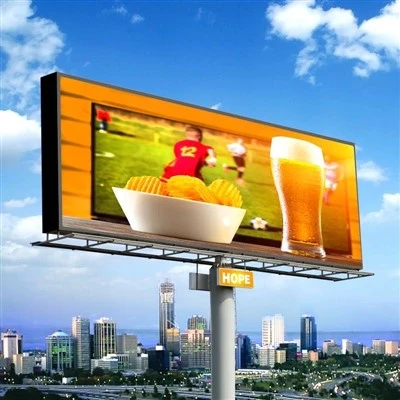
First, let’s get the basics right for anyone who might be reading this and not deep in the LED world. Both COB (Chip-on-Board) and Micro LED screens use tiny LED chips to create images, right? The main thing that sets them apart is how those chips are mounted and arranged on the circuit board. For COB, instead of placing individual LED chips on separate tiny pads (which is what SMD does, and what Micro LED also uses as a starting point), we encapsulate multiple small LED chips—red, green, and blue, the three that make every color in a display—into a single protective layer of epoxy or silicone directly on the circuit board. That layer bonds the chips together, creates a uniform surface, and eliminates the gaps between pixels that were such a problem with older screen technologies. Micro LED, on the other hand, uses even smaller chips—often less than 100 microns, which is about a tenth the width of a human hair—and arranges them in individual, tiny units that sit closer together, without that unified encapsulation layer.
Let’s talk about pixel density first, because that’s one of the first things clients care about. Micro LED screens can have way higher pixel density than COB, right? Because their individual pixels are smaller and more tightly packed. We’re talking about screens that can deliver 8K resolution, even 16K, which is why you see Micro LED being used in things like high-end cinema walls or ultra-detailed studio monitors. But here’s the catch: that ultra-high density comes with tradeoffs. The tiny pixels of Micro LED mean you have to assemble them with extreme precision—one misaligned chip can ruin a whole section, and repairing a dead pixel is way harder than with COB. For most of our clients, who aren’t running a Hollywood studio or a global streaming event, that level of pixel density is overkill. A corporate client putting up a backdrop for a product launch, or a retail brand needing a screen to display ads from 10 feet away, doesn’t need a pixel every half a millimeter. They need a screen that looks sharp, is durable, and doesn’t break the bank— which is exactly where COB shines.
Next, durability and build quality. This is where I’ve seen COB outperform almost every other option, time and again. The encapsulation layer in COB screens isn’t just for looks—it’s a physical shield. It protects the tiny LED chips from dust, moisture, accidental impacts, and even UV damage from bright outdoor light. Last year, a client of ours put a COB screen outside a convention center in Miami, where it rained almost every other day, and it’s still running perfectly. I’ve heard horror stories from people who switched to Micro LED screens for outdoor use: a single drop of rain got between the tiny pixel units, caused a short, and they had to replace a third of the screen. Indoor use isn’t immune either. In a busy retail store, employees might bump a cleaning cart, or a kid might accidentally throw a toy—COB’s uniform surface can handle that. Micro LED’s exposed pixels? One good knock, and you’re looking at expensive repairs. Also, the encapsulation makes COB screens flatter, which is huge for curved installations too. We’ve installed COB LED screens on curved walls in airports, and the even surface means no distortion in the image across the curve, whereas Micro LED’s raised pixels can create small gaps in the display when bent.
Color accuracy and uniformity are another big one. Both technologies produce rich, vibrant colors, but how consistent are they across the whole screen? Micro LED can technically have great color accuracy, but because each individual pixel is separate, there’s a higher chance of color variation across the display. One batch of chips might be slightly greener than another, or a single dead pixel can throw off the whole area. COB’s unified encapsulation means that the red, green, and blue chips for each pixel are grouped and coated together during manufacturing, so color consistency is way more reliable. For clients doing live sports broadcasts, product launches where color is critical (like a cosmetics brand showing exact lipstick shades, or a tech company displaying their new product’s color options), that uniformity matters. We test every COB screen we ship by calibrating it to within Delta E <2, which is the industry standard for professional color accuracy—something that’s often harder to maintain with Micro LED, especially in larger screens.
Cost is always a factor, and I get it. Micro LED screens sound like the fancy new option, but they come with a fancy price tag. The reason? The manufacturing process for Micro LED is extremely labor-intensive. Those tiny chips have to be placed with robotic precision, and any defect rate during assembly is way higher. If 1% of Micro LED pixels are defective during production, that can scrap an entire screen, whereas COB’s larger, grouped pixels have a much lower defect rate. So when a client comes to us and says, “I have a $50,000 budget for a screen for my trade show booth,” COB is going to deliver a way larger, higher-quality display than Micro LED would for that same price. That’s not to say Micro LED isn’t worth it for the right project—if you’re building a permanent 100-foot video wall in a luxury resort, where nothing but the best will do, Micro LED makes sense. But for 90% of the projects we work on—corporate events, retail displays, museum installations, small-to-medium stadium boards—COB offers far more value.
Heat management is something people don’t talk about enough, but it’s a big deal for screen lifespan. LEDs produce heat, and too much heat can shorten a screen’s life, cause color fading, or even lead to pixel failure. COB screens, with their grouped, bonded chips, dissipate heat more evenly than Micro LED’s separate pixels. The encapsulation layer acts as a heat sink, spreading heat across the circuit board instead of letting it build up in tiny individual units. Our COB screens have a lifespan of over 100,000 hours, which is 10+ years of regular use, whereas Micro LED screens often have a slightly shorter lifespan because of heat buildup in their smaller pixels. We’ve had clients use our COB screens for 7 years now, running 12 hours a day, and they still look as good as the day we installed them. That’s a return on investment you can’t get with a cheaper, less durable screen.
Wait, let’s clear up a common misconception: some people think “Micro LED” just means smaller LEDs, but that’s not the whole story. The “micro” refers to the size of the individual LED chips, not the pixel pitch. COB screens can also have very small pixel pitches (down to 0.9mm, even smaller in some models), which is what makes them look sharp enough for close-up viewing—something that used to only be possible with Micro LED. A lot of our clients don’t realize that they don’t need tiny 0.3mm Micro LED pixels for a screen they’ll be sitting 3 feet away from; a 0.9mm COB screen will look just as crisp, at a fraction of the cost. That’s a mistake I see people make all the time: they get caught up in the “micro” hype, not thinking about their actual viewing distance and use case.
Another point: maintenance. When a screen has a dead pixel or a broken section, how easy is it to fix? COB’s grouped pixel design means that if a section goes out, you can replace a whole module in 10 minutes, no special tools required. Micro LED, with its tiny, individual pixels, requires specialized technicians to repair, and each repair can cost hundreds of dollars. For a trade show company that rents out screens to different events, low maintenance is non-negotiable. Our COB screens are modular, so if one part breaks, we can swap it out quickly and get the display back up and running—no downtime, no extra costs. That’s a huge advantage for event planners who can’t afford to have a broken screen mid-conference or product launch.
Let me share a recent example to make this real. Last quarter, we had two clients come to us for screens. One was a tech startup hosting a product launch in a downtown arena, where they needed a screen for the main stage, viewed from 50 feet away. The other was a film studio needing a background wall for a commercial shoot, viewed from just 2 feet away. The studio asked about Micro LED because they wanted that ultra-high detail, which we could supply—but it would have cost them $120,000 for a 10×20 foot wall. The startup came to us initially looking at Micro LED too, but their budget was only $30,000. We installed a 12×25 foot COB screen for the startup, with a 1.2mm pixel pitch, which looked just as sharp as a Micro LED screen from their viewing distance, cost $18,000 less than their original Micro LED quote, and was way more durable when they had to move it to three different cities for pre-launch events. The film studio went with a custom Micro LED wall, and they loved it—but they also told us that if they needed a backup screen, they’d be coming back to us for COB, because it was a no-brainer for their backup budget.

So where does that leave us? At the end of the day, the difference between COB and Micro LED comes down to use case, budget, and long-term needs. Micro LED is the top-tier, ultra-high-resolution option for applications that demand perfection and can afford a premium price tag. COB is the versatile, durable, cost-effective choice for almost every other scenario: corporate events, retail, museums, education, temporary installations, and permanent displays where reliability matters more than absolute maximum pixel density. As a COB LED screen supplier, I’m not here to bash Micro LED— I think it’s an amazing technology that’s pushing the industry forward. But I am here to help clients make the right choice for their specific needs, not the one that’s the fanciest or the most talked about.
Indoor LED Screen If you’re planning a project, whether it’s a small trade show booth, a large outdoor event, a retail storefront, or a studio, and you’re trying to figure out which screen is right for you, don’t overcomplicate it. Reach out to our team to discuss your requirements, viewing distance, budget, and long-term needs. We’ll help you pick a solution that delivers the image quality, durability, and value you’re looking for, no matter what your project entails.
References
- U.S. Department of Energy. (2022). LED Screen Technology Trends and Performance Metrics. Energy Efficiency and Renewable Energy Office.
- International Display Manufacturing Association. (2023). Comparative Analysis of COB and Micro LED Display Reliability. Journal of Display Technology.
- LED Professional Association. (2021). Cost-Benefit Comparison of Commercial LED Display Solutions. Industry Standards and Research Report.
- Samsung Display. (2022). Micro LED Display Development Roadmap and Market Applications. Technical Whitepaper.
Shenzhen ABXLED Industrial Co., Ltd.
Shenzhen ABXLED Industrial Co., Ltd. is one of the most professional cob led screen manufacturers and suppliers in China, featured by quality products and good price. Please rest assured to wholesale durable cob led screen in stock here and get quotation from our factory. We also accept customized orders.
Address: Building E, Diweixin Industrial Park, Beihuan Road, Shiyan, Baoan District, Shenzhen city, Guangdong Province, China
E-mail: Sales01@abxled.com
WebSite: https://www.abxled.com/
