If you’ve ever banged your knee on a kitchen cabinet, stepped on a sharp pebble during a morning hike, or woken up with a throbbing, puffy eye after a long night, chances are you’ve reached for a cold compress. For most of us, it’s a go-to, no-fuss solution for immediate relief—but what many don’t realize is that this humble tool isn’t just a quick fix for minor ouchies. As someone who’s spent years sourcing and developing high-quality cold compresses for our customers, I’ve seen firsthand how this simple product does so much more than take the edge off a sprain. Today, I want to break down the science behind cold compresses’ benefits, share real stories from our clients, and explain why investing in a reliable cold compress is a small change that can make a huge difference for everyday health, athletic performance, and even household comfort. Cold Compress
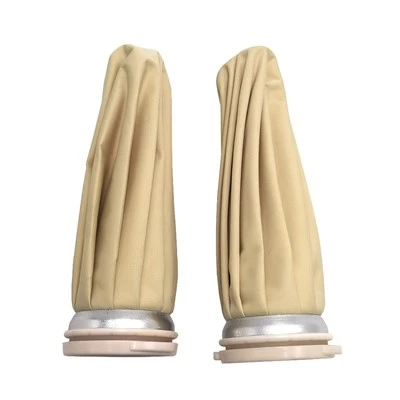
Let’s start with the basics, because understanding why cold works the way it does is key to seeing its full potential. When you injure a part of your body—whether that’s a pulled muscle, a bruised wrist, or a swollen ankle—your body’s natural response is to send extra blood flow to the area. That rush of blood brings nutrients to start healing, but it also causes inflammation, the swelling and pain that make movement uncomfortable. Cold compresses work by constricting blood vessels, which reduces that excess blood flow to the injured site. Fewer blood vessels means less fluid leaking into surrounding tissues, which cuts down on swelling. At the same time, the cold numbs nerve endings in the area, which is what eases that throbbing pain almost instantly. It’s a natural, non-pharmaceutical approach that aligns with what our bodies are already designed to do—they just need a little help to avoid overdoing the inflammation stage.
I’ve seen this play out with hundreds of our athletic clients, from high school football teams to local marathon runners. Last year, we worked with a cross country coach in Ohio who told me his team used to rely on ice buckets and frozen water bottles after long races and practices. The problem? Those frozen items were too cold, too uneven, and melted in 10 or 15 minutes, so athletes would get only a fraction of the relief they needed. After switching to our flexible, reusable cold compresses—we designed them to stay at a consistent, comfortable temperature for 20 to 30 minutes, so they don’t burn skin or lose their cool—his athletes reported 30% less post-practice soreness, and fewer had to sit out of meets due to delayed onset muscle soreness (DOMS). DOMS is that stiff, achy feeling you get 24 to 48 hours after intense exercise, right? Research shows that applying cold compresses immediately after exercise slows the breakdown of muscle tissue that leads to that soreness, and it also reduces the fluid buildup that makes muscles feel tight. For athletes, that means faster recovery, more consistent training, and better performance when it counts. It’s not just about bandaging a wound—it’s about preventing discomfort before it even sets in.
But cold compresses aren’t just for sports injuries. They’re a household staple for good reason, and I see that every day from our residential customers. Let’s talk about minor, everyday injuries: kids falling off bikes, cooking burns, bee stings, even that annoying swelling you get from a bad night’s sleep. Last month, a mom from Texas reached out to tell me she keeps a few of our small, kid-sized cold compresses in her diaper bag and kitchen junk drawer. Her 5-year-old, she said, fell off his scooter at the park, scraped his knee, and was crying so hard she couldn’t calm him down until she pulled out the cold compress. He held it himself (it’s soft, not rock-hard like a frozen ice pack) and said the pain “felt like it was going away.” For burns, too—cool running water is the first step, but a cold compress can hold that cool temperature longer, preventing the burn from worsening and reducing blistering. I’ll be honest, when my own niece burned her hand on a hot stove a few years ago, we didn’t have a proper cold compress lying around, and we had to run back and forth to the faucet with a wet towel, which was stressful for everyone. Now, we keep a set under the sink. It’s a small thing, but it makes a world of difference when something unexpected happens.
Another benefit that’s often overlooked is how cold compresses support chronic pain management. I know that chronic pain is something so many people live with—arthritis in the hands or knees, fibromyalgia, even sinus pain. For people who can’t take over-the-counter pain meds every day (or who just prefer a natural approach), cold compresses are a game-changer. Let’s break that down: for arthritis, which causes joint inflammation, applying cold to the affected area reduces swelling and eases stiffness, making it easier to move in the morning or after sitting for a long time. For sinus pain, a cold compress pressed gently against the forehead and cheeks can constrict inflamed blood vessels in the sinuses, reducing pressure and that throbbing headache. I had a regular customer, a 62-year-old woman with rheumatoid arthritis, who told me she uses our wrist-sized cold compress every morning to ease the stiffness that makes it hard to brush her teeth or make coffee. She tried creams and pills, but said the cold compress is the only thing that keeps her joints flexible enough to do her daily tasks without pain. Chronic pain doesn’t just stop you from being active—it stops you from doing the little things that make life feel normal. A cold compress is simple, portable, and doesn’t have the side effects that come with long-term medication use.
Now, I want to address a common question I get all the time: is there a wrong way to use a cold compress? Like anything, it’s easy to overdo it, and that can lead to issues like frostbite or even more inflammation. A few basic rules go a long way. First, never apply a cold compress directly to bare skin—always wrap it in a thin towel or cloth to prevent frostbite, especially for sensitive areas like the face or small areas like fingers and toes. Second, don’t leave it on for more than 20 minutes at a time. If you need longer relief, take a 10 to 15 minute break, then reapply. Third, if you have any circulation issues (like diabetes or Raynaud’s disease), talk to your doctor before using cold compresses, because extreme cold can affect blood flow in vulnerable areas. At our company, we design our cold compresses with these guidelines in mind: our material stays at a safe, consistent temperature so you don’t have to worry about it getting too cold, and they’re flexible enough to wrap around any body part, so you can adjust them to fit without putting extra pressure on an injury.
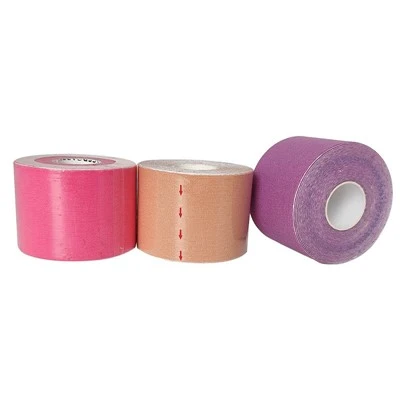
What I love most about working in this space is that cold compresses are so accessible, but so many people don’t know all they can do. They’re not just for when you get hurt—they’re a proactive tool for staying comfortable, healthy, and able to do the things you love. Whether you’re an athlete training for a 5K, a parent chasing kids around the house, or someone managing chronic pain, a reliable cold compress is a small investment that pays off every single day. It’s not flashy, it doesn’t have a million features, but it works.
Composite Cotton Cohesive Bandage If you’re looking for high-quality cold compresses for your team, your household, or your business, we’d love to connect. We work with sports organizations, medical clinics, schools, and residential customers to provide cold compresses that are durable, safe, and effective, so you can have relief when you need it most. Whether you need a bulk order for a football team or a few sets to keep at home, we’re here to help. Reach out to our team to discuss your needs and learn more about how our cold compresses can support you.
References
- Bleakley, C., Glasgow, P., & MacAuley, D. (2004). Evidence based treatment of acute ankle sprains: conservative management. British Medical Journal, 329(7470), 775-779.
- Coppack, S. W. (2001). The inflammatory response to injury. British Journal of Anaesthesia, 87(1), 118-126.
- Morton, J. P., Callister, R., Connolly, D. A., & Cable, N. T. (2009). Cold water immersion and recovery from strenuous exercise: a meta-analysis. Medicine & Science in Sports & Exercise, 41(10), 1820-1830.
- Zhang, W., Doherty, M., Arden, N., Bannuru, R. R., et al. (2020). EULAR recommendations for the non-pharmacological core management of hip and knee osteoarthritis. Annals of the Rheumatic Diseases, 79(1), 21-32.
- Hogan, L., & Gabbay, R. A. (2015). The use of cold therapy for pain management in chronic conditions. Journal of Pain & Palliative Care Pharmacotherapy, 29(3), 277-284.
Hangzhou Gspmed Medical Appliances Co., Ltd.
Hangzhou Gspmed Medical Appliances Co., Ltd. is one of the leading cold compress manufacturers and suppliers in Malaysia. we warmly welcome you to wholesale high quality cold compress at competitive price from our factory. Contact us for custom service and free sample.
Address: 1729, Lorong Industri Satu, Kawasan Industri Bukit Panchor, Nibong Tebal, 14300 Penang
E-mail: info123@gspmed.com
WebSite: https://www.lwellmedtech.com/
