If you’ve ever hauled heavy machinery, construction equipment, or oversized loads, you know a lowboy semi trailer isn’t just another piece of trucking gear—it’s the backbone of jobs that keep roads and projects moving. As a lowboy semi trailer supplier, I talk to new and experienced truckers, construction foremen, and small business owners every week who ask the same question: How much does a used lowboy semi trailer actually cost? Lowboy Semi Trailer
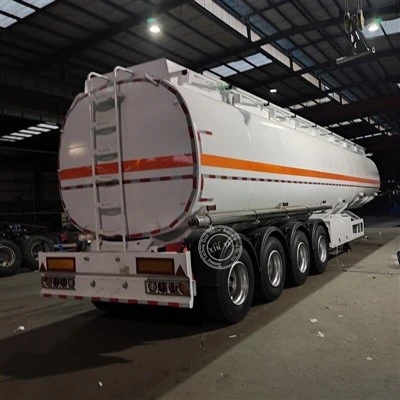
I get it. When you’re budgeting for a new load, upgrading your fleet, or replacing a trailer that’s seen better days, you don’t want a vague number that could leave you overpaying or underspending. The price of a used lowboy isn’t set in stone. It depends on things that matter: age, weight capacity, build quality, how many owners it’s had, and even how it was maintained. Over the past 12 years in this industry, I’ve seen prices swing by $10,000 (or more) for trailers that look almost identical on paper. Let me break down what goes into that number, so you can make a call that works for your budget and your work.
First, let’s start with the basics: what a lowboy semi trailer is, because not everyone in the market knows the fine print. Unlike a standard flatbed, a lowboy (sometimes called a low-loader or low-bed) has a lower deck, usually 18 to 24 inches from the ground, instead of the 48 inches of a regular flatbed. That lower height is non-negotiable for loads like excavators, bulldozers, or large farm equipment—you can’t fit those under overpasses or through warehouse loading docks on a standard trailer.
Used lowboys fall into two main categories, and that split alone changes everything: fixed-neck and detachable-neck. A fixed-neck trailer has the gooseneck (the part that connects to your truck) permanently attached, so it’s a single, long unit. A detachable-neck lets you unhook the gooseneck, which makes loading extra-tall or super-heavy equipment way easier—no having to maneuver the entire rig in tight spaces. Detachables almost always cost more used, simply because their design is more flexible and can handle higher weights, especially for long hauls.
Now, let’s get to the real question: how much do these cost? From the data we track at our lot, plus industry reports from the Truck Writers of North America and equipment auction results, the average used lowboy semi trailer costs between $15,000 and $45,000. But that’s a huge range, so let’s split it by the factors that drive those prices.
Age is the first and most obvious factor. A lowboy that’s 1 to 5 years old will be at the higher end of that range, right around $35,000 to $45,000. These are nearly like-new—they’ve got minimal wear, the brakes, hydraulics, and deck are in good shape, and they usually come with a remaining warranty if the original manufacturer’s terms are still valid. For small business owners or owner-operators who don’t want the headache of constant repairs, this is a sweet spot. Last month, we sold a 2019 fixed-neck lowboy with a 50-ton capacity for $38,500. It had only been used to haul light construction materials in the Midwest, and its maintenance logs were perfect—no rust, no broken welds, just a well-cared-for trailer.
Push that age to 6 to 10 years old, and prices drop to $22,000 to $35,000. This is the most common range of used lowboys our customers buy, because you’re still getting a solid trailer, but you’re skipping the premium for brand-new gear. That said, here’s where you have to pay attention to use. A 8-year-old lowboy that only did local hauls of lawn care equipment will be in way better shape than one that spent the same 8 years hauling 70-ton excavators across the Rocky Mountains, bouncing on rough roads. We had a 2015 detachable-neck trailer listed for $29,000 last quarter; when a customer showed up, he noticed it had been modified to haul oversized loads, and its hydraulic lift had been replaced twice, so we knocked $2,000 off the price to account for the extra maintenance work ahead.
Go older than 10 years, and you’re looking at $15,000 to $22,000. But this is the range where buyers have to do their due diligence. These trailers are probably on their second or third owner, and they may have rust, worn-out axles, or outdated safety features. A lot of these older lowboys are still functional—if you’re only hauling light loads on local routes and don’t mind doing small repairs yourself, they can be a steal. But if you’re planning to cross state lines, you’ll need to make sure it meets FMCSA (Federal Motor Carrier Safety Administration) regulations for weight limits, lighting, and braking. Last year, we sold a 12-year-old fixed-neck lowboy for $17,500 to a guy who runs a small tree service business—he only needs it to haul chippers and log splitters, and he’s handy enough to fix any minor issues that come up.
Next on the list: weight capacity. This is non-negotiable, because if your trailer can’t handle your load, you’re looking at fines, broken equipment, or even accidents. Lowboys are rated from 25 tons (for small loaders) up to 100 tons (for massive mining or construction gear). The higher the capacity, the higher the price, even for used models. A 25-ton used lowboy might be $18,000, while a 70-ton detachable could be $40,000. I always tell customers not to buy more capacity than they need—don’t pay extra for a 70-ton trailer if you only ever haul 40-ton loads. But also don’t underbuy; a few years ago, a customer of ours bought a 35-ton trailer to haul a 40-ton backhoe, and he got a $10,000 fine when he got stopped on I-95. That mistake cost him way more than saving a few thousand dollars on a smaller trailer.
Build quality makes a huge difference too, and not all lowboys are created equal. The big name brands—like Trail King, Fontaine, and Talbert—build their trailers to last. A used Trail King lowboy from 2010 will cost more than a no-name brand trailer from the same year, but it will hold its value way better and require fewer repairs. We had a customer buy a 2008 no-name lowboy from an auction for $12,000, and within six months, he had to replace the axles and the hydraulic lift, which cost him $8,000 total. Compare that to a 2008 Trail King we sold for $18,000 around the same time; three years later, that trailer is still going strong, and if the owner ever wants to sell it, he could get around $15,000 for it. Brand-name trailers hold their resale value because contractors and truckers trust them—they know the welds won’t fail, the weight ratings are accurate, and parts are easy to find.
Condition and maintenance history are the final big pieces of the puzzle, and this is where a good supplier can save you a ton of hassle. A trailer with full maintenance logs—regular oil changes for the hydraulic system, rust treatment, brake checks, and load inspections—will be worth thousands more than one with no records. Rust is the biggest enemy of lowboys, especially in areas with salt in the winter. A small amount of surface rust is normal, but deep rust on the frame or axles means you’re looking at big problems down the line. Last year, we turned away a used lowboy that a customer tried to sell us; it had only 50,000 miles on it, but the frame had rusted through in three places from years of being parked outdoors in Ohio winters. We couldn’t sell it, and the owner ended up scrapping it for less than $2,000.
It’s also important to add extra costs to your budget, because the sticker price of the trailer isn’t all you’ll pay. You’ll need to get it inspected to make sure it meets state and federal rules, which costs $100 to $300. You’ll have to register it, which varies by state, but can be $500 to $1,500. If it’s a detachable-neck, you may need training on how to hook and unhook the gooseneck, which is a $200 or $300 course. And don’t forget any small repairs—even the best used lowboy will need new tires or brake pads after you buy it, which can add $1,000 to $3,000. So when you’re looking at a $20,000 trailer, plan to set aside $2,000 to $4,000 extra for those costs.
Now, what if you’re shopping around, not just at a supplier? You’ll see prices on auction sites, Facebook Marketplace, and dealer lots. The big difference between a private sale and a reputable supplier like ours is that when you buy from us, you know exactly what you’re getting. We inspect every trailer we sell, disclose any damage or repairs, and stand behind what we sell. Private sellers might list a trailer for $15,000, but they won’t tell you that the axles are about to fail, and by the time you find out, they’re long gone.
A lot of people ask me if it’s better to buy used or new. New lowboys start at $60,000 and go up to $100,000 or more, so used is almost always the way to go for small business owners or owner-operators who don’t have a huge upfront budget. The only time new makes sense is if you need a custom design for a specific load, or if you’re hauling extremely heavy, oversized items that can’t be handled by used equipment. But for 90% of the people I talk to, a good used lowboy will save you tens of thousands of dollars without sacrificing performance.
At the end of the day, the right price for a used lowboy is the one that fits your work and your budget. It’s not about getting the cheapest trailer you can find, or the most expensive one just because it has a big name. It’s about finding a trailer that can handle the loads you need to haul, is in good shape, and won’t leave you stuck on the side of the road with a broken-down rig.

If you’re ready to start looking for a used lowboy semi trailer, or you have questions about what a specific trailer will cost for your needs, I’m here to help. We have a large lot with trailers ranging from 5-year-old nearly-new models to 10+ year-old workhorses, all inspected and ready to work. We can walk you through the options, help you figure out what weight capacity and build style is right for your business, and give you a fair price that works for you. Don’t guess at the cost of your next lowboy—reach out to us to discuss your requirements.
Fence Trailer References:
Truck Writers of North America. (2023). Commercial Trailer Price Guide.
Federal Motor Carrier Safety Administration. (2024). Safety Regulations for Commercial Trailers.
Equipment Watch. (2023). Used Heavy Duty Trailer Market Report.
Shandong Yuncheng Xinya Trailer Manufacturing Co., Ltd.
Shandong Yuncheng Xinya Trailer Manufacturing Co., Ltd. is one of the most experienced lowboy semi trailer manufacturers and suppliers in China, featured by quality products and good service. Please rest assured to buy CE approved lowboy semi trailer from our factory. Contact us for customized service and OEM service.
Address: No. 008, Hexie Road, Yangzhuangji Town, Yuncheng County, Heze City, Shandong Province
E-mail: fiona@xinyatrailer.com
WebSite: https://www.china-truckfactory.com/
