If you’ve ever shipped small to medium-sized goods to Africa via sea freight, you’ve probably run into a common headache: multiple LCL (Less Than Container Load) shipments piling up, each eating into your budget with separate documentation, terminal fees, and handling charges. As an Africa-focused sea freight supplier, this question lands in my inbox at least a dozen times a week: Can I consolidate multiple LCL shipments bound for Africa into one? The short answer is yes—but there’s a lot more to it than just “stacking boxes into a single container.” Over the past 12 years helping businesses move goods to 17 African ports, I’ve seen firsthand how consolidation can cut costs and streamline logistics… if you do it right. Today, I’ll break down how LCL consolidation works for Africa, the challenges you need to watch for, and when it makes total sense to move forward. Africa Sea Freight
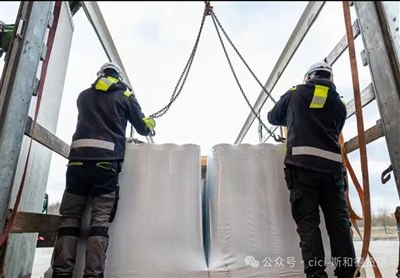
First, let’s ground this in how LCL sea freight to Africa works. A lot of new shippers mix up LCL and FCL (Full Container Load) logic, and that’s where mistakes happen. With LCL, your goods share a 20-foot or 40-foot container with other shippers’ cargo all headed to the same (or nearby) African ports. Right now, the majority of LCL routes from North America, Europe, and Asia to Africa follow a fixed weekly schedule: containers assemble at major origin ports like Rotterdam, Los Angeles, or Dubai, cross the Atlantic or Indian Ocean, and unload at hubs like Durban, Mombasa, or Lagos before feeder trucks distribute cargo to inland destinations.
Consolidating multiple LCL shipments means taking two or more separate small cargo loads (say, one pallet of electronics from a U.S. factory to Nairobi, and another pallet of clothing from a German warehouse to Dar es Salaam) and combining them into a single container before it departs for Africa. In theory, this eliminates two big pain points: first, you’re only paying for the actual space your goods take up (instead of two separate LCL charges), and second, you cut down on the paperwork, customs checks, and handling fees that come with each individual shipment. For small businesses moving 5 to 15 cubic meters (cbm) of cargo annually, this is a game-changer—we regularly see clients reduce their per-shipment costs by 30% to 40% when they combine 3 or more small LCL shipments into one. That’s not a random number: terminal handling charges (THC) at African ports, for example, can add $150 to $250 per LCL shipment; combine two, and that’s $300-$500 in savings right there.
But here’s the thing: consolidation to Africa isn’t a one-size-fits-all solution, and the rules shift depending on where your cargo is coming from, where it’s going in Africa, and what kind of goods you’re moving. Let’s start with the biggest factor: African port infrastructure and customs regulations. Unlike some regions with seamless cross-port consolidation, many African countries have strict rules about cargo entering and exiting their borders. For example, if you consolidate a shipment from Shanghai to Lagos and another from Rotterdam to Accra, you can’t just combine them at a European port and send one container to both destinations. West African countries like Nigeria, Ghana, and Senegal require cargo bound for their ports to clear customs at the port of first entry, so a single container can’t split into two separate loads for Lagos and Accra without re-handling at a hub port—something that usually wipes out the cost savings of consolidation. That’s why the most successful LCL consolidations we handle for West Africa are for shipments all headed to the same port, or within 200 kilometers of each other (like Lagos and Cotonou, which are only 50km apart on the Benin-Nigeria border).
For East and Southern Africa, the rules are a bit more flexible. Ports like Mombasa (Kenya) and Dar es Salaam (Tanzania) are major regional hubs, and many importers in Uganda, Rwanda, or Burundi will have their cargo consolidated at Mombasa before being moved overland via border truck. In fact, around 60% of the LCL cargo we consolidate for East Africa is for inland destinations, not just the port cities. But even here, there’s a catch: dangerous goods, perishables, and oversized cargo almost never work for consolidation. If you’re shipping lithium-ion batteries to a Nairobi warehouse, for example, most carriers won’t let you mix them with standard apparel or electronics, thanks to strict International Maritime Dangerous Goods (IMDG) rules. Perishables like fresh fruit or pharmaceuticals need temperature-controlled containers, so you can’t combine them with non-climate-controlled LCL cargo. That means if you’re shipping a small load of pharma and a small load of auto parts to Kenya, consolidation is off the table—you’ll need two separate shipments.
Another common mistake shippers make is underestimating lead time when consolidating LCL to Africa. When you send a single LCL shipment, the timeline is straightforward: cargo arrives at the origin port, loads into the container, departs, crosses the ocean, unloads at the African port, clears customs, and is delivered. When you consolidate multiple shipments, you’re adding a “consolidation window” at the origin port, which is typically 3 to 7 days. That means if you have two shipments ready to go this week, you might have to wait until the next consolidation cutoff to combine them, adding a week to your total shipping time. For time-sensitive goods like holiday inventory or seasonal products, that delay can cost you sales—so consolidation is best for non-urgent, bulk small shipments. We usually recommend consolidating for orders that can wait 2 to 4 extra days, not for products that need to hit shelves in a week.
Now, let’s talk about how to make consolidation work for your business, since not all providers offer the same level of support. As an Africa sea freight supplier, we’ve built our consolidation process to eliminate most of the headaches for our clients, and there are three key steps we follow that make the difference between a cost-saving consolidation and a logistical nightmare.
First, map your destination network before you book. If you’re sending goods to multiple African countries or inland cities, tell your provider upfront. A good Africa-focused supplier will know which hubs allow for seamless consolidation. For example, if you’re sending cargo to Johannesburg and Cape Town, we can’t combine them into a single container that goes directly to both ports, but we can consolidate both into a container bound for Durban, then split it there and move the cargo to Johannesburg and Cape Town via rail or truck. That still cuts costs, even if it’s not a single direct container. But if you try to use a general international freight forwarder that doesn’t specialize in African routes, they might not know to offer that option, and you’ll end up paying for two separate LCL shipments.
Second, audit your cargo details to avoid compliance issues. We always ask clients for detailed manifests: item type, weight, dimensions, and any special handling requirements. Last year, a client tried to consolidate 2 cbm of children’s toys with a 1 cbm load of cleaning chemicals bound for Accra. The chemicals were non-hazardous, but the origin port’s security team flagged the mix of children’s toys (high-value, susceptible to theft) and chemicals (which are heavy and take up floor space) in a single container. We had to split the shipments, adding $800 in extra fees and a 5-day delay. A specialized supplier will catch that before you book, but a general forwarder might not—so never skip the details on your cargo.
Third, confirm your provider’s terminal and customs support at the African end. One of the biggest hidden costs of consolidation is last-minute fees at the destination port. Some providers will combine your shipments at the origin, but leave you to handle splitting and customs at the African port, which can lead to surprise THC, storage, and customs clearance fees. We include end-to-end consolidation support, meaning we handle the splitting of your cargo at the African hub port, arrange inland transport, and clear customs for each individual shipper’s goods—so you only get one consolidated bill, not multiple. For small businesses, that transparency is worth every penny; a lot of our clients chose us over larger providers because we don’t have hidden “consolidation surcharges” that pop up after the fact.
Let’s also clear up a common misconception: some shippers think consolidation means you have to commit to a fixed monthly volume. That’s not true. We work with everything from one-off small business shipments to e-commerce brands that send 10 LCL loads a week, and we offer flexible consolidation options for both. If you only have two small shipments a quarter, we can still combine them for you, as long as they fit within the origin port’s weekly consolidation schedule. For e-commerce sellers with regular small orders, we can set up a monthly consolidation slot that aligns with your inventory needs, so you don’t have to worry about multiple bookings.
Of course, there are times when consolidation isn’t the right choice. If you’re shipping more than 15 cbm of cargo, FCL is usually cheaper than LCL consolidation, since FCL rates are often discounted for large volumes. If your shipments need to reach remote African locations, like rural Malawi or parts of northern Nigeria, consolidation can add too many handling steps and lead to delays. And if your goods are high-value (like electronics or luxury items), some shippers prefer separate LCL shipments to reduce the risk of theft or damage during handling. That said, for most small to medium-sized shippers targeting major African cities or inland hubs, consolidation is still the most cost-effective option.
Over the past year, we’ve seen a 45% increase in requests for LCL consolidation from our clients, and that’s not a coincidence. With global supply chain costs rising, more businesses are looking for ways to cut expenses without sacrificing reliability. The key takeaway is that consolidation to Africa works best when you partner with a provider that knows the region’s unique rules, maps your destinations carefully, and handles the end-to-end process. A lot of general freight forwarders will tell you consolidation is “impossible” for Africa, but that’s usually because they don’t have the local partnerships or expertise to pull it off. We’ve consolidated shipments from 12 different origin countries to 20 African ports over the last decade, and we’ve learned that every route has its sweet spot for consolidation—you just have to know where to look.

If you’re tired of paying for separate LCL shipments, or you’ve tried consolidation before and ran into hidden fees or delays, let’s talk. We can review your cargo details, map the best consolidation route for your goods to any African destination, and give you a transparent quote with no hidden charges. Whether you’re a small business shipping your first pallet to Lagos or an e-commerce brand sending weekly inventory to Nairobi, we’ll help you cut costs and simplify your logistics.
Project And Heavy Lift References:
- International Chamber of Shipping. (2023). LCL Freight Consolidation Guidelines for Intra-African and Intercontinental Routes.
- African Shippers’ Council. (2022). Port Handling Fee Structures for LCL and Consolidated Shipments in Sub-Saharan Africa.
- World Bank Group. (2023). Logistics Performance Index: Africa Region, Sea Freight Efficiency.
- International Maritime Organization. (2022). IMDG Code Requirements for Consolidated Cargo to African Ports.
Speed Supply Chain (Guangzhou) Co., Limited
Speed Supply Chain (Guangzhou) Co., Limited is a licensed NVOCC and first-level freight forwarder in China. With a professional team, we deliver reliable, efficient and cost-effective africa sea freight service for global customers. If you have any enquiry about quotation, please feel free to email us.
Address: Room 2001-2002, Dongzhao Building, No. 515 Dongfeng Middle Road, Yuexiu District, Guangzhou, Guangdong, China
E-mail: mika.li@speedsucc.com
WebSite: https://www.speedsupplychain.com/
