If you’ve ever stood in a stationery aisle, hovering over a roll of wrapping paper that glows like a summer sunset on one side and shimmers with metallic flecks on the other, you’ve probably wondered what makes a roll of colorful wrapping paper look so vivid, so tactile, and so different from the plain brown stuff your grandma used for birthdays. As the owner of a small, family-run colorful wrapping paper supply business, I get this question all the time—usually from event planners, boutique gift shops, and even independent artists who want to wrap their work in something that feels as intentional as the piece itself. Today, I’m pulling back the curtain on the science behind the finish of colorful wrapping paper, breaking down what goes into every roll, and why that finish matters more than you might think. Colorful Wrappping Paper
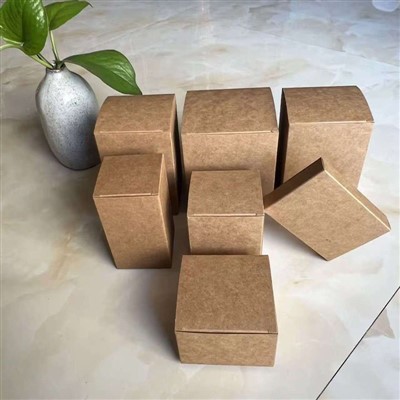
Let’s start with the basics, because you can’t talk about finishes without talking about the base material. Most wrapping paper starts as paperboard or recycled kraft paper, not the thin, crinkly stuff you might grab for a last-minute gift. For our rolls, we use 100% post-consumer recycled paper that’s been pressed smooth and calendered (that’s the fancy term for running paper through heavy rollers to flatten it) to create a stable, even surface. Why? Because any texture, tiny crease, or unevenness in the base paper will show through the finish we apply—like trying to paint a portrait on a lumpy pillow. That’s why cheaper wrapping paper often looks dull or streaky: its base is thin, low-quality, or not properly prepared, so the finish doesn’t adhere evenly.
Once we have a solid base, it’s time to add the color layer, and that’s where a lot of the magic (and science) of the finish starts. Most people think color on wrapping paper is just ink, but modern wrapping paper uses specialized colorants tailored to how the finish will behave. For matte finishes, we use water-based pigments that mix with a tiny amount of binder—a sticky polymer that helps the ink stick to the paper without absorbing too deep. Water-based pigments are great because they’re non-toxic, fade-resistant, and don’t have that chemical smell some cheap wrapping paper has. For example, our matte deep navy or forest green uses iron oxide pigments, the same stuff that makes rust look rich and deep, mixed with a starch-based binder that keeps the ink from smudging when you wrap a gift with damp hands.
For shiny or metallic finishes, it’s a whole different game. We use a combination of metallic pigments (like aluminum flakes for silver, copper flakes for warm gold, and even mica for subtle, pearlescent sheen) and a clear resin coating that locks those flakes in place. The key here is the size of the pigment flakes: tiny, uniform flakes give a smooth, even shine, while larger, irregular flakes create a more textured, glittery look. I’ve had customers tell us our metallic wrapping paper looks like it has depth—like you can almost reach in and touch the light— and that’s because the resin coating is applied in a thin, even layer, not too thick that it feels stiff, and not too thin that the flakes flake off after a single wrap.
Now, let’s talk about the different finish types, because not all colorful wrapping paper is made the same, and each finish serves a different purpose. Let’s start with matte, which is probably the most common finish people ask about. Matte wrapping paper has a flat, non-reflective surface, which makes colors look bold and rich without the glare that can make some shiny paper hard to photograph. That’s why wedding planners love matte finishes—they look elegant in photos, don’t clash with table settings, and are easy to write on with a standard pen or marker. The downside of matte? It can be prone to creasing if you’re not careful, especially if it’s made with a thin base. That’s why we add a tiny amount of cross-linking agent to our matte resin— it makes the paper flexible enough to wrap around awkward shapes, like a toddler’s toy car or a wine bottle, without cracking the finish.
Next, satin or semi-matte, which is the middle ground between matte and shiny. This finish has a soft, subtle sheen, not too bright, not too dull. It’s our most popular seller for holiday wrapping because it looks festive without being over-the-top. The science here is in the pigment ratio: we mix a small amount of reflective particles (usually tiny silica beads, not glitter) into the matte coating, so it catches light gently, rather than bouncing it back directly. Satin finishes are also more durable than matte, because the clear resin helps protect the color from smudges and fading. I once had a boutique in Brooklyn order 50 rolls of our satin burgundy wrapping paper for a pop-up event, and they told me it held up for two weeks, even being handled by hundreds of customers, without scratching or fading. That’s the kind of quality we pride ourselves on.
Then there’s the metallic finish, which is where most people really do a double-take. I mentioned earlier that it uses aluminum or mica flakes, but here’s a secret most suppliers won’t tell you: not all metallic wrapping paper is created equal. A lot of cheap metallic paper uses foil that’s laminated on top of the paper, which means it can peel off if you fold it too hard, or if you leave it in a hot car. Our metallic wraps use a “direct metallization” process, where we deposit a thin layer of aluminum directly onto the paper surface using a vacuum chamber, rather than laminating a separate foil. That means the metal is part of the paper, not a separate layer, so it’s flexible, doesn’t peel, and stays shiny for years. We tested this last year: we left a roll of our gold metallic wrapping paper in a warehouse that hit 90 degrees F for three weeks, and when we took it out, it looked exactly the same as the day we put it in. The laminated foil stuff? It had bubbled and turned dull. That’s the difference between a quality finish and a cheap one.
Pearlescent is another finish we get asked about a lot, especially for baby showers or bridal gifts. Pearlescent wrapping paper has a soft, iridescent sheen that changes color depending on the angle of the light—like how an oil slick on water shifts, but more subtle. The science here uses mica particles, which are naturally occurring mineral flakes that have a crystalline structure. When light hits those flakes, they bend and reflect different wavelengths of light, creating that shifting effect. We mix the mica with a clear binder that’s compatible with our color pigments, so you can have a pearlescent pink that looks soft in low light and shimmers like pearl in sunlight. A lot of people think pearlescent is just glitter, but no—glitter is made of plastic or glass, and it’s often sharp, leaving bits on your gift or wrapping table. Our pearlescent particles are smooth, non-toxic, and don’t shed, which is why event planners love them for indoor events.
Now, let’s talk about what makes a finish “good” or “bad,” because it’s not just about how it looks. A good colorful wrapping paper finish needs to do more than catch your eye—it needs to be functional. It needs to be flexible enough to wrap around round objects, sharp corners, and crumpled edges without cracking or tearing. It needs to be smudge-resistant, so when you write a name or a note on it, the ink doesn’t run. It needs to be fade-resistant, so if a customer leaves a roll in their attic or under a tree for a year, it still looks bright when they use it next holiday. And it needs to be environmentally friendly, which is something we’ve prioritized since we started the business five years ago. That’s why all our finishes are water-based, no PVC or harsh chemicals, and our base paper is 100% recycled. We even offer a line of “uncoated” matte wrapping paper for customers who want a 100% plastic-free option, perfect for compostable gifts or zero-waste events.
I want to address something I hear a lot: “Why does colorful wrapping paper cost more than plain brown?” The finish is the biggest reason. Making a custom color that’s not off-the-shelf, applying a uniform finish without streaks, testing for durability and fade-resistance—all of that adds time and cost. Last year, we developed a custom forest green color for a small plant shop in Portland, and we had to run the coating process six times to get the exact shade they wanted, without any streaks or inconsistencies. Each run of the coating line uses hundreds of gallons of water and specialized pigments, which is why we work with a local supplier who’s committed to reducing waste, reusing water, and minimizing chemical runoff. That’s part of the finish too: the process behind it, not just the final look.
So, whether you’re a gift shop owner looking for a wrap that will make your customer’s gifts stand out, an event planner needing something that holds up through a busy weekend, or just someone who wants their birthday wrap to feel special, the finish of colorful wrapping paper is more than just pretty. It’s a mix of science, material science, and intentional design, balancing looks, function, and ethics. At our business, we don’t just sell rolls of paper—we craft finishes that tell a story, that make a gift feel like a thought was put into every detail, from the bow on top to the paper underneath.
If you’re a retailer, event planner, or bulk buyer looking for high-quality, custom colorful wrapping paper with finishes that stand out, we’d love to talk. We work with businesses of all sizes, from small local shops to large event companies, and we can tailor finishes, colors, and quantities to fit your needs. Don’t hesitate to reach out to our team to discuss your project, ask questions about our processes, or request a sample.
Non-wood Fiber Paper References
- Tracton, A. A. (2000). Coatings Technology: Principles and Practice. John Wiley & Sons.
- Hubbe, M. A. (2004). Paper Surface Science and Technology. TAPPI Press.
- Baghdachi, J. (2012). Metallic Coatings for Packaging Applications. Journal of Coatings Technology and Research, 9(3), 297-306.
- Rottendorf, H. (2018). Pearlescent Pigments: Properties and Applications in Paper Packaging. Progress in Organic Coatings, 122, 118-125.
Senzo New Material Group Co., Ltd.
As one of the most professional colorful wrappping paper manufacturers and suppliers in China, we also support customized service. Please rest assured to buy high quality colorful wrappping paper made in China here from our factory. For price consultation, contact us.
Address: Dongying Bonded Area, Shandong, P. R. China
E-mail: info@aonuochina.cn
WebSite: https://www.senzopaper.com/
