In the realm of environmental testing equipment, the Thermal Shock Test Chamber stands as a cornerstone for assessing the durability and performance of various materials and products under extreme temperature fluctuations. As a dedicated supplier of Thermal Shock Test Chambers, I often encounter a crucial question from our clients and industry enthusiasts alike: "What is the standby power of a Thermal Shock Test Chamber?" In this blog post, I aim to delve into this topic comprehensively, providing you with a clear understanding of standby power, its significance, and how it relates to the operation of Thermal Shock Test Chambers. Thermal Shock Test Chamber
Understanding Standby Power
Standby power, also known as vampire power or phantom load, refers to the electricity consumed by electronic devices when they are turned off or in a standby mode. This power consumption occurs even when the device is not performing its primary function and is seemingly inactive. Many modern appliances and equipment, including computers, televisions, and test chambers, are designed with standby features to allow for quick startup or remote control functionality. However, these features come at an energy cost, as the device continues to draw a small amount of power even when not in active use.
The concept of standby power is important for several reasons. Firstly, it contributes to overall energy consumption and can have a significant impact on electricity bills, especially for businesses and facilities that operate multiple devices for extended periods. Secondly, standby power consumption has environmental implications, as it adds to the demand for electricity generation and can contribute to greenhouse gas emissions. By understanding and managing standby power, users can reduce their energy costs, minimize their environmental footprint, and promote sustainable energy use.
Standby Power in Thermal Shock Test Chambers
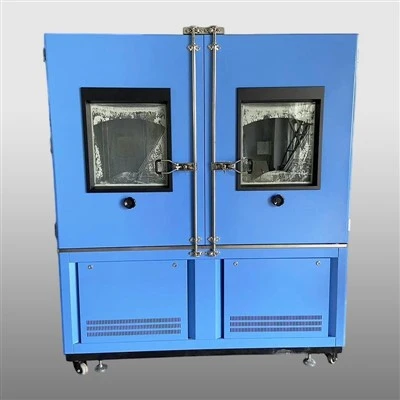
In the context of Thermal Shock Test Chambers, standby power plays a vital role in maintaining the chamber’s readiness for testing while ensuring efficient energy use. A Thermal Shock Test Chamber is a specialized device used to simulate sudden temperature changes, typically between extreme high and low temperatures, to evaluate the effects of thermal stress on test specimens. These chambers are commonly used in industries such as electronics, automotive, aerospace, and materials science to test the reliability and performance of products under real-world conditions.
When a Thermal Shock Test Chamber is not actively conducting tests, it may enter a standby mode to conserve energy and reduce wear and tear on its components. In standby mode, the chamber’s heating and cooling systems are typically turned off, but other functions such as temperature monitoring, control systems, and data logging may remain active. These functions help to ensure that the chamber is ready to start a new test quickly and accurately, without the need for a long warm-up or cool-down period.
The standby power of a Thermal Shock Test Chamber can vary depending on several factors, including the chamber’s size, design, and features. Larger chambers with more advanced features and higher temperature ranges may consume more standby power than smaller, simpler models. Additionally, the efficiency of the chamber’s components, such as its heating and cooling systems, insulation, and control systems, can also affect its standby power consumption.
Factors Affecting Standby Power Consumption
To better understand the standby power of a Thermal Shock Test Chamber, it is important to consider the various factors that can influence its consumption. Some of the key factors include:
Chamber Size and Capacity
The size and capacity of a Thermal Shock Test Chamber are directly related to its power consumption, both in active and standby modes. Larger chambers require more energy to heat and cool the test environment, which can result in higher standby power consumption. Additionally, larger chambers may have more advanced features and components, such as multiple temperature zones or advanced control systems, which can also contribute to increased standby power consumption.
Temperature Range and Cycling Frequency
The temperature range and cycling frequency of a Thermal Shock Test Chamber can also affect its standby power consumption. Chambers that are designed to operate over a wider temperature range or perform more frequent temperature cycles may require more energy to maintain the desired temperature conditions, even in standby mode. This is because the chamber’s heating and cooling systems need to be ready to respond quickly to temperature changes, which can result in increased standby power consumption.
Insulation and Sealing
The insulation and sealing of a Thermal Shock Test Chamber play a crucial role in reducing its power consumption, both in active and standby modes. Chambers with high-quality insulation and tight seals can help to minimize heat transfer between the test environment and the surrounding atmosphere, which can reduce the need for the chamber’s heating and cooling systems to operate continuously. This, in turn, can result in lower standby power consumption.
Control Systems and Automation
The control systems and automation features of a Thermal Shock Test Chamber can also affect its standby power consumption. Chambers with advanced control systems and automation features, such as programmable temperature profiles, remote monitoring, and data logging, may require more energy to operate, even in standby mode. This is because these features need to be constantly powered to ensure that they are ready to respond to user commands or perform their functions automatically.
Measuring and Reducing Standby Power
As a supplier of Thermal Shock Test Chambers, we are committed to providing our customers with energy-efficient solutions that minimize standby power consumption without compromising performance or reliability. To help our customers understand and manage the standby power of their chambers, we offer a range of services and resources, including:
Energy Audits
We offer energy audits to help our customers identify opportunities to reduce the energy consumption of their Thermal Shock Test Chambers. During an energy audit, our technicians will evaluate the chamber’s performance, identify any inefficiencies or areas for improvement, and provide recommendations for reducing standby power consumption.
Energy-Efficient Designs
We design and manufacture our Thermal Shock Test Chambers with energy efficiency in mind. Our chambers are equipped with high-quality insulation, efficient heating and cooling systems, and advanced control systems that are designed to minimize standby power consumption without sacrificing performance or reliability.
User Training and Support
We provide comprehensive user training and support to help our customers operate their Thermal Shock Test Chambers efficiently and effectively. Our training programs cover topics such as chamber operation, maintenance, and energy management, and our support team is available to answer any questions or provide assistance as needed.
In addition to these services and resources, there are several steps that users can take to reduce the standby power consumption of their Thermal Shock Test Chambers, including:
Turn Off Unnecessary Features
When the chamber is not in use, turn off any unnecessary features, such as lights, fans, or data logging systems, to reduce standby power consumption.
Use Power Management Settings
Many Thermal Shock Test Chambers are equipped with power management settings that allow users to adjust the chamber’s standby power consumption. These settings can be used to reduce the power consumption of the chamber’s control systems, heating and cooling systems, and other components when the chamber is not in use.
Regular Maintenance and Calibration
Regular maintenance and calibration of the chamber’s components can help to ensure that they are operating efficiently and effectively, which can reduce standby power consumption. This includes cleaning the chamber’s filters, checking the refrigerant levels, and calibrating the temperature sensors.
Conclusion

In conclusion, the standby power of a Thermal Shock Test Chamber is an important consideration for users who are looking to reduce their energy costs, minimize their environmental footprint, and promote sustainable energy use. By understanding the factors that affect standby power consumption and taking steps to reduce it, users can ensure that their chambers are operating efficiently and effectively, without sacrificing performance or reliability.
Stability Chamber As a leading supplier of Thermal Shock Test Chambers, we are committed to providing our customers with energy-efficient solutions that meet their needs and exceed their expectations. If you have any questions or would like to learn more about our products and services, please do not hesitate to contact us. We look forward to working with you to find the right Thermal Shock Test Chamber for your application and helping you to reduce your energy consumption and operating costs.
References
- "Standby Power: A Guide to Understanding and Reducing Energy Consumption." U.S. Department of Energy, Office of Energy Efficiency and Renewable Energy.
- "Energy Efficiency in Environmental Test Chambers." International Electrotechnical Commission (IEC).
- "Thermal Shock Testing: Principles and Practices." Society of Automotive Engineers (SAE).
ALP Technology (T&M) Ltd.
With abundant experience, we are one of the most reliable thermal shock test chamber manufacturers and suppliers in China. Please feel free to buy advanced thermal shock test chamber for sale here from our factory. All customized products are with high quality and competitive price.
Address: No.19, Mingde Road, Xi’an, China
E-mail: info@alp-environment.com
WebSite: https://www.alp-environment.com/
