As a pipe connector supplier who’s been in this industry for over 12 years, I’ve seen way too many projects go off the rails because someone cut corners on a cheap connector. Let me tell you—those “too good to be true” deals might save you a few bucks upfront, but the disadvantages of poor-quality pipe connectors will cost you way more in the long run. I’ve walked job sites where a $20 faulty connector shut down a commercial HVAC system for three days, causing $18,000 in lost production and emergency repair fees. That’s not a rare story; it’s the kind of thing that happens when teams skip due diligence on a component no one thinks about until it fails. Pipe Connector
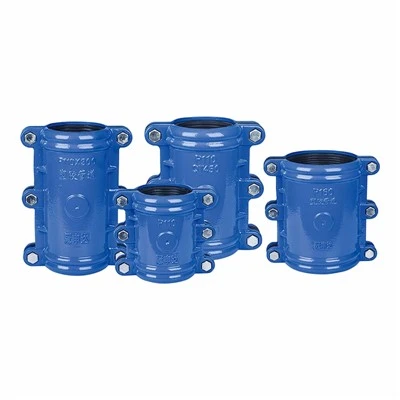
First up, let’s talk about structural integrity—poor-quality connectors are basically ticking time bombs, especially when you’re moving high-pressure fluids or gases. I’ve tested (and discarded) dozens of cheap brass connectors that cracked under a fraction of the pressure a standard industrial pipe can handle. Last year, a small manufacturing client used a bargain bin connector for their compressed air line. When the line hit regular operating pressure, the connector split open, sending a 2-inch section of pipe flying 15 feet into the air, narrowly missing a worker. The Occupational Safety and Health Administration (OSHA) cited them for $12,000 in safety violations, and they had to replace the entire piping system—not just the faulty connector. Legitimate pipe connectors go through tensile strength testing to ensure they can handle 1.5 to 2 times the maximum operating pressure, but cheap ones? They’re often made from leftover metal scraps, have uneven casting, and skip that critical testing. That means under normal use, they’re already operating at a stress level that’s way too close to their breaking point.
Next, corrosion resistance is where cheap connectors really fail, and it’s not just about the material itself—it’s about how it’s manufactured. I’ve seen a galvanized steel connector from a no-name brand start rusting through in 6 months, while our standard galvanized connectors last 10+ years in similar environments. Why? Cheap brands use thin zinc coatings to cut costs—sometimes as little as 3 microns, compared to the 10 microns required for corrosion protection in most commercial and industrial settings. This is a huge problem for plumbing, outdoor piping, or any system exposed to moisture. When rust flakes off, it clogs pipes, damages water heaters, and even contaminates potable water. A residential client I worked with last year had a cheap connector in their underground water line; rust build-up caused a clog that burst the pipe after 18 months. They had to dig up their backyard, replace the line, and fix a cracked foundation that formed from the water saturation. Total cost? Over $25,000—all because they tried to save $8 on a connector.
Leakage is another massive disadvantage that no one plans for. Poor-quality connectors often have inconsistent thread pitch, rough surfaces, or misaligned flanges, so even if you install them perfectly, they won’t form a tight seal. In commercial settings, a small leak in a municipal water line might seem insignificant, but over a year, it can waste thousands of gallons of water and drive up utility costs. For industrial clients, a leak in a chemical line isn’t just a cost issue—it’s an environmental hazard and a legal liability. I had a chemical plant client a few years back that used a cheap PVC connector for their hydrochloric acid line. The connector’s uneven edge caused a slow leak that spilled 50 gallons of acid into a nearby storm drain. They had to pay for environmental cleanup, reimburse a nearby farm for dead livestock, and face regulatory fines totaling $75,000. On the residential side, a leaking pipe behind a wall can cause mold growth, which is a major health risk for families. Mold remediation costs can run $15,000 or more, and that’s only after you fix the leak—something a cheap connector would cause in 2-3 years instead of 10+ with a quality option.
Durability and lifespan are also non-negotiable when it comes to pipe connectors, and cheap ones just don’t hold up. I’ve had clients come back to me with connectors that failed after 1 or 2 years, while our standard connectors have a 20-year service life in most applications. The issue here is material: cheap connectors are often made from low-grade materials that warp, bend, or degrade with temperature changes. For example, plastic connectors from discount brands might be fine for low-heat applications, but if you use them in a hot water line, they’ll soften and deform within a year. I once saw a restaurant’s hot water line, connected with a cheap plastic connector, deform so badly that it blocked the line completely. The restaurant had to close for a day to fix it, losing $4,000 in revenue. For outdoor applications, like irrigation systems, cheap connectors can become brittle in cold weather and crack when temperatures drop below freezing. A landscape client I worked with last winter had 12 cheap connectors in their irrigation line crack overnight, requiring them to replace all of them mid-season—costing twice as much as if they’d bought quality connectors upfront, plus the cost of replacing dead plants from the lack of water.
Compatibility is another underdiscussed problem with poor-quality connectors. Many cheap connectors are designed to fit “standard” pipes, but their manufacturing tolerances are off—so they don’t line up with the pipe diameter, thread size, or flange dimensions of your existing system. This might seem like a small issue, but it means you can’t just replace the faulty connector; you have to modify the pipe, use adapters, or even replace sections of piping. I had a construction client last year that bought 50 cheap connectors for a new building’s plumbing. When they tried to install them, 17 didn’t fit the 1-inch PVC pipe they were paired with. They had to send the connectors back (wait, no—cheap brands don’t accept returns), so they had to special-order compatible connectors on an emergency basis, paying a 30% rush fee and delaying the project by 2 days. That delay cost them $12,000 in labor and penalty fees. Quality connectors are made to strict industry standards, so you can count on them fitting seamlessly with your existing piping, no extra work or costs needed.
Maintenance costs are a long-term burden of choosing poor-quality connectors. Let’s do the math: a quality connector might cost $15, while a cheap one is $7. At first, that’s an $8 savings. But if the cheap connector fails every 2 years, you’re spending $7 every 2 years—so over 20 years, that’s $70. The quality connector lasts 20 years, so you spend $15 once. That’s a $55 difference, not to mention the cost of labor, downtime, and repairs. I’ve had clients track their maintenance costs for a 5-year period: those who used cheap connectors spent 4x more on repairs and replacements than those who used our standard connectors. For industrial facilities, which have to schedule downtime for maintenance, every hour of downtime can cost tens of thousands of dollars. A faulty connector that fails during a production run doesn’t just cost repair fees—it costs lost output, missed deadlines, and damaged client relationships.
Now, I know what you’re thinking: “I’ve gotten away with cheap connectors before.” Maybe you have, but that’s the exception, not the rule. I’ve heard stories of people who used cheap connectors for 10 years without a problem, but I’ve also heard stories of catastrophic failures that ruined businesses. The truth is, pipe connectors are small components, but they’re the backbone of any piping system. They’re responsible for keeping fluids or gases contained, maintaining pressure, and ensuring safety. Skimping on a $10 connector isn’t just bad budgeting—it’s a risk to your property, your employees, your clients, and your bottom line.
If you’re in the market for pipe connectors, don’t let the low price tag fool you. Look for connectors that meet industry standards (like ASTM International standards, for example), have documented tensile strength and corrosion resistance testing, and come with a warranty. As a supplier, I don’t just sell you a connector— I stand behind it. We test every batch of connectors before they leave our warehouse, and we offer a 20-year warranty on our standard models. I’ve worked with thousands of clients, from small residential plumbers to large manufacturing plants, and I can tell you: the ones who invest in quality connectors save money in the long run.
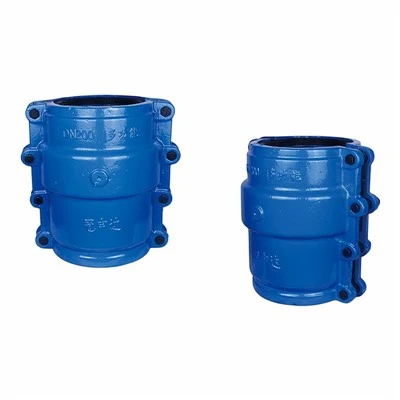
If you’re dealing with a faulty connector issue, or you’re planning a project and want to make sure you’re not cutting corners, reach out to me to discuss your specific needs. We can help you find the right connector for your application, no matter if it’s a residential plumbing job, a commercial HVAC system, or an industrial chemical line. Don’t let a poor-quality connector derail your project—let’s work together to get it right the first time.
Elbow Repair Clamp References
ASTM International. (2020). Standard Specification for Pipe, Steel, Black and Hot-Dipped, Zinc-Coated, Welded and Seamless. ASTM A53/A53M-20.
Occupational Safety and Health Administration. (2021). Process Safety Management of Highly Hazardous Chemicals. OSHA 3332-09N.
National Association of Plumbing-Heating-Cooling Contractors. (2022). Commercial Piping System Maintenance Best Practices. NAPHCC Publication 101-22.
ASME International. (2019). B16.1, Cast Iron Pipe Flanges and Flanged Fittings. ASME B16.1-2019.
Water Research Foundation. (2021). Corrosion Control in Drinking Water Distribution Systems. WRF Report 4751.
Fujian Fufa Valve Manufacturing Co., Ltd.
As one of the most professional pipe connector manufacturers and suppliers in China, we’re featured by quality products and good price. Please rest assured to buy durable pipe connector made in China here from our factory. Welcome to view our website for more information.
Address: Meilin Xikou Industrial Zone, Nan’an City, Quanzhou City, Fujian Province
E-mail: hongwenjin@fufafamen.cn
WebSite: https://www.fufavalve.com/
