Hey folks, if you’ve ever spent hours scrubbing a greasy range hood, you know it’s not just the unit itself that matters—those little accessories make all the difference. As someone who’s been supplying range hood fans for years, I get asked this question all the time: are there actually accessories that work, or are they just cheap add-ons that fall apart after a month? Let me break this down straight, no fluff, because I deal with real customers every day who don’t have time for gimmicks. Range Hood Fan
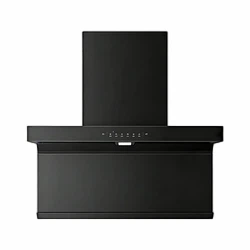
First off, let’s start with the most basic, yet most underrated accessory: replacement carbon filters. Wait, hear me out. A lot of people think their range hood’s charcoal part is a “set-it-and-forget-it” deal, but if you’re cooking with anything more than microwave popcorn (read: frying, stir-frying, or baking bread that gets super steamy), that filter clogs in like 2-3 months. The problem? Generic Amazon filters don’t fit right. They slip around, let greasy fumes escape, and don’t actually purify the air like they’re supposed to. As a supplier, we’ve seen way too many customers swap a cheap filter and wonder why their kitchen still smells like last night’s curry. Our replacement carbon filters are custom-cut for the models we supply, with denser activated charcoal that traps both odors and light grease—no more fish smells seeping into your living room. Pro tip: mark your calendar to replace them every 3 months if you cook daily, 6 if it’s just occasional.
Next up, grease catchers. If your range hood has a baffle filter (that metal grid thing), most people ignore the little tray under it. But that tray is where all the gunk from frying, bacon, or even roasted veggies collects. If you don’t clean it regularly, grease builds up, drips back onto your stovetop, and even becomes a fire hazard. We sell reusable, dishwasher-safe grease catchers that fit exactly the range hood fans we supply—no measuring, no guessing. A lot of our regulars buy a couple, so they can swap one while the other’s in the dishwasher. Way easier than scraping old grease off a flimsy plastic tray every weekend. I’ve had customers tell me this single accessory cut their kitchen cleanup time by 50%—that’s a win, right?
Then there’s the duct booster fan. Wait, why would you need that if your range hood already has a fan? Let’s be real: a lot of homes have ductwork that’s either too long, has too many turns, or just isn’t big enough for the range hood fan. I’ve seen installs where the range hood sounds like a jet engine, but it barely pulls steam away from the stovetop. That’s where a duct booster comes in. It’s a small, quiet fan that mounts in the ductwork (usually between the range hood and the outside vent) to boost airflow. We sell inline duct boosters that are compatible with the range hoods we supply, and the best part? They’re quieter than most fridge compressors. A lot of our customers who remodeled their kitchens or have older homes swear by this—suddenly their range hood actually works when they’re stir-frying garlic or boiling lobsters. Just make sure you get the right size for your duct diameter; we can help you figure that out if you’re unsure.
Wait, what about vent covers? The outside vent on your house—you know, the one on the side of your wall—often gets forgotten. But if it’s just a flimsy plastic flap, wind can blow it open and shut nonstop, birds might build a nest in the duct, and rain can get in, which leads to mold or rust. We sell heavy-duty outdoor vent covers that fit the standard duct sizes for our range hood fans. They have a spring-loaded damper that only opens when the fan is running, so no more wind noise or pest problems. I once had a customer who had a bird nest clog his duct—his range hood stopped working entirely, and he had to pay a plumber to clean it out. That vent cover would’ve prevented that whole mess. Worth the $20, let me tell you.
Let’s talk about some more niche stuff, because not everyone needs the same thing. If you’re renting, or you just don’t want to drill holes in your wall, there are flexible duct adapters. Wait, our range hoods are mostly ducted to the outside, but if you can’t do that (like in an apartment where you’re not allowed to modify the exterior), there are charcoal-only range hoods, but the adapters help if you’re switching from an old model. No, we don’t recommend ductless for heavy cooking, but for people who just want to ventilate small kitchens, those adapters make it easy to set things up without a hassle. Also, we sell installation kits with the right screws, foil tape, and even the drill bits you might need—no running to the hardware store mid-install because you forgot a part.
Wait, let’s address the bad accessories, because I don’t want to steer you wrong. There are those “range hood light filters” that claim to make your kitchen lights warmer. They’re basically just colored plastic that covers your bulb—they don’t affect the hood’s performance, and they get greasy too. Skip those. Also, cheap “universal” duct clamps—they’re flimsy, and after a few months, they slip, leading to airflow loss. Stick to clamps that fit your duct size, which we can recommend. And don’t waste money on random app-controlled gadgets that only work with fancy, expensive range hoods—90% of the time, they’re just a gimmick.
Here’s the thing: as a supplier, we don’t push accessories just to make extra money. We’ve been doing this long enough to know what actually helps our customers. For example, last month a customer bought a range hood for his small restaurant, along with a duct booster and extra grease catchers. He told me before that he was dealing with constant customer complaints about kitchen smells seeping into the dining area. A month later, he emailed saying those accessories fixed the problem, and he even saved money on cleaning because he didn’t have to scrub the duct as often. That’s the stuff that matters.
Another example: a homeowner who was tired of his range hood making so much noise his kids couldn’t do homework while he cooked. We suggested a quieter duct booster and a new vent cover, and he said the noise dropped by half. It’s not just about performance—it’s about making your kitchen a space you actually want to be in, not just a place to cook.
So, do accessories exist? Absolutely. But not all of them are created equal. The key is to get ones that are made for the range hood fan you’re using—generic stuff often ends up being a waste of money. If you’re not sure what you need, don’t guess. We’ve got a team that can walk you through it: whether you need replacement filters, a grease catcher, a duct booster, or a vent cover, we can point you to the right accessory for your specific model.

At the end of the day, a range hood is an investment, and the right accessories can make that investment last longer and work better. If you’re shopping for range hood fans (or just need to upgrade what you already have), hit us up to chat through what works for your space. No pressure, no sales pitch—just straight talk about what’s gonna fix your kitchen ventilation issues.
Solar Fan References
- National Fire Protection Association. "Kitchen Grease Fires: Prevention and Safety Tips." NFPA.org, 2024.
- Consumer Reports. "Range Hood Buying Guide: Accessories That Add Value." ConsumerReports.org, 2023.
- American Society of Heating, Refrigerating and Air-Conditioning Engineers. "Residential Ventilation Guidelines for Kitchens." ASHRAE Journal, vol. 65, no. 8, 2023.
Shengzhou Geeking Electric Appliance Technology Co., Ltd.
We’re well-known as one of the leading range hood fan manufacturers and suppliers in China. With abundant experience, we warmly welcome you to buy bulk discount range hood fan in stock here and get free sample from our factory. Quality products and low price are available.
Address: No. 19, Putian Avenue, Pukou Subdistrict, Shengzhou City
E-mail: 13588516010@163.com
WebSite: https://www.geekingfan.com/
