If you’ve ever ordered custom stickers for your small business, events, or even personal use, you know that the wrong adhesive can turn a fun project into a hassle. I’ve spent over a decade as a sticker supplier, fielding calls and messages from customers who tell me their stickers won’t stay put on a mug, peel off a t-shirt mid-wear, or leave a sticky residue on a custom laptop. That’s why heat-activated adhesive stickers have become one of my most requested products—and for good reason. They’re versatile, durable, and solve a lot of common adhesive problems that permanent and removable stickers can’t. Today, I’m breaking down exactly how we make these heat-activated adhesive stickers in our facility, the science behind the process, and why this might be the right choice for your next order. Stickers

First, let’s clear up what heat-activated adhesive (HAA) actually is. Unlike pressure-sensitive adhesives (PSAs) that stick when you press them firmly against a surface, HAA remains dry and tack-free at room temperature until you apply consistent, even heat to the back of the sticker. When that heat hits, the adhesive layers melt slightly, activating their bond, and when it cools, they create a strong, permanent hold. The key here is temperature control: too little heat and the adhesive won’t activate, too much and you’ll risk warping the sticker’s base material or damaging the surface it’s applied to. For our team, this is non-negotiable—every batch we make gets tested to ensure it activates at exactly 120 to 150 degrees Fahrenheit, the sweet spot that works for 90% of common surfaces: ceramics, glass, coated metal, fabric, and even many smooth plastics.
Our process starts long before we touch a printer or adhesive roller, because the foundation of a great heat-activated sticker is choosing the right base material. Not all sticker stock works with HAA. We’ve tested dozens of materials over the years, and we stick to two primary options that consistently deliver. The first is a 3-mil glossy vinyl, which is water-resistant, tear-proof, and flexible—perfect for mugs, water bottles, and outdoor gear. The second is a 4-mil cotton blend fabric stock, made specifically for apparel and tote bags, because it breathes a little and doesn’t crack when stretched. If you’re ordering custom stickers from us, we’ll ask what surface and project you’re working on, and we’ll guide you to the right stock, because pairing the wrong material with HAA can lead to poor activation or premature peeling. For example, thin, cheap matte paper tends to wrinkle when heated, so we only use coated, durable stocks that can handle the heat application step without distorting.
Next comes the adhesive application, the most technical part of making HAA stickers. We don’t just slather glue onto the back of the stock—we use a specialized roll coater that applies a thin, uniform layer of HAA, between 0.5 and 1 mil thick, depending on the material. The coater uses a heated roller to keep the adhesive at a constant, molten state during application, which ensures it spreads evenly without clumping. This is why bulk orders from my facility are more consistent than what you can make at home: a home laminator or even a craft brush will almost always leave gaps or thick spots in the adhesive, which means your stickers will activate unevenly. For the HAA we use, we source a medical-grade, acrylic-based adhesive that’s free of harsh chemicals, so it’s safe for food contact (mugs, water bottles) and skin (apparel stickers). We also add a small amount of repositioning agent to the formula, which is a trick we developed after years of customer feedback: if a sticker is activated and needs to be adjusted, you can reheat it slightly with a hair dryer and reposition it without damaging the surface. That’s a game-changer for event planners or small business owners applying stickers to a batch of products.
Once the adhesive is applied, the stock goes through a curing tunnel. This is another step that’s non-negotiable for us. The curing tunnel is set to a cool, consistent 70 degrees Fahrenheit with low humidity, which lets the adhesive dry into that tack-free, dry state we talked about earlier. If we skipped the curing step, the adhesive would stay wet and sticky, making the stickers impossible to store or ship without sticking to each other. We test the curing time for every batch: we run a small sample, let it sit for 24 hours, then try activating it. If it peels off easily from the backing paper, we know it’s cured correctly. If it’s still tacky, we run it through the tunnel for a few more hours. This process takes time, but it’s why our customers don’t get stickers that arrive pre-stuck or useless.
After curing, the stock is ready for printing and cutting. For full-color custom designs, we use a UV-curable inkjet printer, which bonds directly to the front of the vinyl or fabric stock without smudging, even when we heat the sticker later. We avoid solvent-based inks for HAA stickers because some can react with the adhesive during activation, causing the design to fade or peel. Once the design is printed, the stock is lined with a clear, silicone-coated backing paper that keeps the adhesive protected until the customer is ready to apply the sticker. We use a heavy-duty backing paper for our bulk orders, so stickers don’t bend or crease during shipping. The final step is die-cutting, which is done with a precision cutter that cuts exactly along the design lines, leaving no rough edges or leftover adhesive on the back of the stickers. This is especially important for small, intricate designs—we’ve had customers tell us other suppliers’ HAA stickers have ragged edges, which make them hard to apply, so we invest in high-end die-cutting tools to avoid that problem.
Now, let’s get to the part everyone actually cares about: applying the stickers correctly, because even the best-made HAA sticker will fail if you apply it wrong. I always tell customers that the process is simple, but there are a few key steps to get right. First, make sure the surface you’re applying the sticker to is clean and dry—no dirt, oil, or water. Wipe it down with a little rubbing alcohol and let it dry completely. Next, pre-heat the back of the sticker with a hair dryer on medium heat for 10 to 15 seconds (or use a heat press for larger orders) until the adhesive feels slightly tacky when you touch it. If you can’t feel that tack, you didn’t apply enough heat, and the bond won’t hold. Once activated, press the sticker firmly onto the surface, starting from the center and working out to the edges to push out any air bubbles. Finally, apply a little more heat to the front of the sticker for another 10 seconds, then let it cool completely for at least 30 minutes before using the surface. I’ve seen customers skip the cooling step and rub the sticker right away, and it peels off—so patience here is key. We also make a small application guide with every bulk order, because we know not everyone has experience with HAA stickers.
Over the years, my team and I have tested a lot of common myths about HAA stickers, and I want to share a few truths that might change how you see this product. First, HAA stickers aren’t just for industrial use—we make custom ones for small business customers, wedding favors, and even kids’ water bottles. Second, they’re not more expensive than high-quality PSA stickers, especially when you order in bulk. Our bulk pricing for HAA stickers is comparable to premium permanent stickers, and the durability is much higher: our tests show HAA stickers stay on mugs through 50+ dishwashing cycles, and on t-shirts through 20+ washes, as long as they’re applied correctly. Third, they’re resuable, up to a point. If you apply a sticker incorrectly, you can reheat it and peel it off without damaging the surface or the sticker, and reapply it. That’s a feature no other type of sticker offers, which is why they’re so popular for pop-up events or temporary product labeling.
Now, I want to be transparent about the limitations of HAA stickers, because I never want to mislead a customer. They work best on smooth, non-porous surfaces—they won’t stick well to rough wood, textured plastic, or fabric that’s too thick. For outdoor use, they can handle light rain, but prolonged exposure to direct sunlight will cause the adhesive to break down after 6 to 12 months. They also aren’t ideal for extremely high temperatures, like a car dashboard that gets 180 degrees in the summer—while they activate at low temperatures, they can lose their bond at sustained high heat. If you have a project that fits within those parameters, HAA is the perfect choice, but if you need a sticker for a rough or extremely hot surface, we’ll recommend another adhesive type.
As a sticker supplier, my goal isn’t just to send you a box of stickers and collect payment. It’s to make sure your order works for your specific needs, and that means being honest about what our products can (and can’t) do. Over the years, we’ve worked with hundreds of customers, from local craft breweries ordering HAA labels for their growlers to event planners ordering custom stickers for music festivals, and we’ve learned that the best HAA stickers come from a mix of good science, quality materials, and attention to detail at every step of the process. Our team checks every batch for adhesive activation strength, ink adhesion, and edge quality, because we know that a bad sticker can hurt your brand, event, or product.
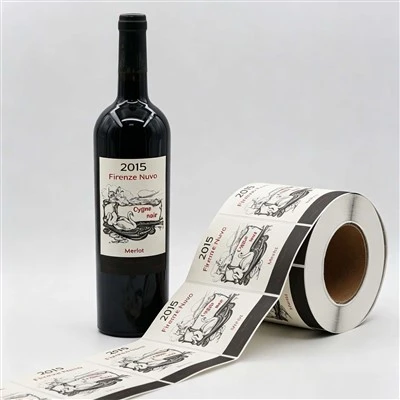
If you’re ready to try heat-activated adhesive stickers for your next project, I’d love to connect with you. We offer custom bulk orders, small runs for testing, and free design consultations to help you choose the right material and size for your needs. Whether you’re a small business owner looking for durable product labels, an event planner needing long-lasting giveaway stickers, or a maker searching for unique stickers for your brand, our team has the expertise to deliver exactly what you’re looking for. You can reach out to us for a custom quote, and we’ll walk you through every step of the process, from choosing materials to applying your new stickers.
Holographic Stickers References
- Satas, D. (2010). Handbook of Pressure Sensitive Adhesive Technology. Van Nostrand Reinhold.
- Technical Association of the Graphic Arts. (2018). Adhesive Technologies for Flexible Packaging. TAGA Publications.
- American Society for Testing and Materials. (2021). Standard Test Method for Adhesion Strength of Pressure-Sensitive Tapes. ASTM International.
- Sticker Manufacturer’s Association. (2020). Guide to Heat-Activated Adhesive Sticker Production and Application. SMA Publications.
SpeedPrint Era (Xiamen) Digital Co., Ltd.
SpeedPrint Era (Xiamen) Digital Co., Ltd. is one of the most professional stickers manufacturers and suppliers in China, featured by quality products and low price. Please rest assured to wholesale advanced stickers made in China here and get quotation from our factory. We also accept customized orders.
Address: Floor 1, No. 27, Xianghong Road, Xiang’an District, 361101, Xiamen, Fujian, China
E-mail: hxmacka@gmail.com
WebSite: https://www.lumolabels.com/
