If you’ve ever stepped into a sun-dappled cathedral at mid-morning, a modern mosque with a curved facade that frames the sky like a prayer, or a chapel where light shifts like breath across curved surfaces, you’ve felt something beyond architecture. As a curved laminated glass supplier, I’ve spent the last decade talking to religious leaders, architects, and artisans who don’t just build spaces—they build places where people connect with something larger than themselves. In my work, I’ve seen how curved laminated glass isn’t just a material; it’s a bridge between engineering and spirituality, turning physical structures into vessels for transcendence. What many don’t realize is that this material’s science is exactly what makes its spiritual impact possible. Let me walk you through what I’ve learned. Curved Laminated Glass
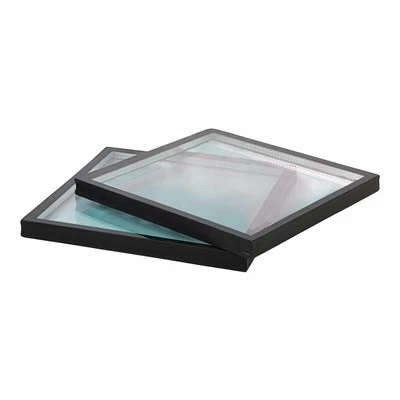
First, let’s demystify curved laminated glass for anyone who hasn’t worked with it. Unlike ordinary curved glass, which is often thin, fragile, and prone to cracking under stress, curved laminated glass is made by sandwiching a layer of polyvinyl butyral (PVB) or ethylene-vinyl acetate (EVA) between two or more panes of curved glass, then bonding them under heat and pressure. This core is the secret sauce: if the glass is ever damaged, the PVB holds the shards in place, so it doesn’t shatter into dangerous pieces—critical for religious spaces that draw crowds, often have open layouts, and need to withstand decades of weather. But its spiritual power doesn’t come from safety alone. It comes from how it interacts with light, sound, and space in ways that straight glass or concrete never can.
Light is the most obvious spiritual tool, and curved laminated glass manipulates it in subtle, intentional ways that align with the core beliefs of many faiths. Let’s start with Christianity, where light has long symbolized the divine presence—think of “lux mundi,” the light of Christ, which has guided Gothic cathedral design for centuries. Traditional cathedrals relied on stained glass in straight, pointed arches, but modern religious architects are turning to curved laminated glass to update that tradition without losing its meaning. A few years back, I worked on a project for a nondenominational chapel in the Pacific Northwest, where the congregation wanted a space that felt both intimate and awe-inspiring. The original plan called for straight glass walls, but after testing different curved laminations, we suggested a custom curved laminated glass facade that curved gently inward at the top, forming a soft arch over the main gathering area. The PVB layer we used had a subtle, low iron content—something we developed specifically for religious spaces because it filters out the harsh, blue-tinted light that makes spaces feel cold, while letting through the warm, golden wavelengths that feel like sunlight at 9 a.m. on a summer morning. The effect? As the sun moves across the sky, the curved surface bends the light not into sharp streaks, but into soft, diffused pools that shift across pews, hymnals, and the faces of worshippers. One priest told me that during Easter sunrise services, the light hits the curved glass at just the right angle, creating a slow, glowing wave that feels like the presence of the divine moving through the room, rather than a flat beam of light. That’s the magic: curved laminated glass doesn’t just hold light—it shapes it to tell a story that aligns with a congregation’s values.
For Islam, light and pattern are central to spiritual practice, from the intricate geometric tilework in mosques to the requirement that spaces feel open and uncluttered to focus on prayer. A few years ago, we collaborated with a mosque in Houston that was expanding to accommodate a growing congregation, and the leaders wanted a new courtyard where worshippers could gather for midday prayers, even when the main prayer hall was full. The original design called for solid concrete walls, but after discussions, they switched to curved laminated glass panels that curved to form a semi-enclosed courtyard, with each panel etched with a subtle geometric pattern inspired by traditional Islamic tiling. The laminated core let us add the etch without making the glass fragile, and the curved shape meant that when the sunlight hit the panels, the geometric pattern didn’t just cast shadows—it distorted them gently, so the patterns shifted and moved as the sun moved, rather than staying flat. One of the mosque’s imams told me that during Friday prayers, when the courtyard is filled with worshippers, the moving shadows make the space feel like it’s alive, not just a structure. It’s a reminder that Allah’s creation is always in motion, even when we’re standing still in prayer. That’s something straight glass could never do—it would cast sharp, static shadows that feel more like a barrier than a reminder of the divine’s presence.
Even in smaller, less formal religious spaces, like Jewish synagogues or Buddhist meditation centers, curved laminated glass adds a spiritual layer that ordinary materials can’t. I worked on a small synagogue in Brooklyn that was renovating its main sanctuary, and the rabbi wanted a new wall separating the main prayer space from a smaller study area. The wall couldn’t be solid, because worshippers wanted to feel connected to the study group during services, but it also needed to feel solemn and respectful. We suggested a curved laminated glass wall that curved outward, so it didn’t take up too much space in the small sanctuary, and we used a tinted PVB core that filtered the light just enough to make the two spaces feel distinct, but not separate. The rabbi told me that during Shabbat services, the light through the curved wall makes the study area feel like a sacred space, even though it’s adjacent to the main sanctuary. It’s a reminder that everyone is part of the same community, even when they’re in different parts of the room. For Buddhist meditation centers, I’ve seen curved laminated glass used to create walls that curve around outdoor gardens, so when meditators sit inside, they feel connected to nature without being distracted by passing cars or other city noise. The curved shape and laminated core muffle external sounds, making the space quieter and more focused, which is exactly what meditation requires.
But curved laminated glass isn’t just about light and sound—it’s about how it shapes the overall feeling of a religious space, by breaking up the harsh, linear lines that define so many modern buildings. Traditional religious spaces often have high, straight ceilings, which can feel imposing or cold, but curved surfaces feel softer, more welcoming, more like a hug than a wall. That’s not just a subjective feeling—studies on architectural psychology have shown that curved spaces trigger a different response in the human brain than linear ones: they reduce feelings of anxiety, increase a sense of calm, and make people more likely to feel open to connection. For religious spaces, that’s exactly what you want. When someone walks into a church, mosque, synagogue, or meditation center, they’re often coming for comfort, for guidance, for a sense of belonging. Curved laminated glass creates that feeling without sacrificing durability or safety, which is a huge win for architects and religious leaders who don’t want to compromise on either function or meaning.
Of course, like any building material, curved laminated glass isn’t for every project. It requires custom fabrication, so it’s more expensive than straight glass, and it needs to be installed by experienced professionals who know how to work with the curved shapes and laminated cores. But in my experience, the investment is worth it for religious spaces, because it turns a physical building into a place that people carry with them long after they leave. I remember a conversation with a teenager who attended that Pacific Northwest chapel I mentioned earlier. She told me that when she was going through a hard time in high school, she’d go to the chapel at sunrise, sit in the back, and watch the light move across the curved glass wall. She said it felt like the light was holding her, like she wasn’t alone. That’s the spiritual impact of curved laminated glass. It’s not just a material—it’s a way to make the sacred feel tangible.
As a curved laminated glass supplier, I’ve been lucky enough to be part of projects that go beyond just construction. We’re not just selling glass panels; we’re helping build spaces where people can connect with their faith, with each other, and with something larger than themselves. That’s a responsibility I take seriously. Every project starts with listening—talking to religious leaders, architects, and the communities who will use the space, to understand what they need, what they value, and what kind of feeling they want to create. Then we work with them to design a curved laminated glass solution that fits their vision, whether that’s a specific light pattern, a curved wall that frames a view, or a sound-dampening core that makes the space feel quiet and sacred.
If you’re an architect working on a religious building, or a religious leader looking to renovate or expand your space, I’d encourage you to consider curved laminated glass as more than just a material for safety or aesthetics. It’s a tool that can add a spiritual touch, by shaping light, sound, and space in ways that align with your community’s values and beliefs. The science of curved laminated glass—its laminated core, its ability to diffuse light, its sound-muffling properties—makes that spiritual impact possible. It’s not magic; it’s engineering that’s designed to serve something bigger than itself.
If you’re interested in learning more about how curved laminated glass can work for your religious project, or to discuss your specific needs, please don’t hesitate to reach out for a consultation. Together, we can create a space that feels both sacred and functional, a place where every detail, from the light through the walls to the way the space flows, supports the spiritual needs of your community.
Glass Engineering Services References
- Ching, F. D. K. (2014). Architecture: Form, Space, and Order. John Wiley & Sons.
- Sadava, D., Hillis, D. M., Heller, H. C., & Berenbaum, M. R. (2014). Life: The Science of Biology. W.H. Freeman and Company.
- Kellert, S. R., & Heerwagen, J. H. (2015). Experiencing Architecture: The Aesthetics of Environment in Architectural Design. Routledge.
- Tuan, Y. F. (2013). Space and Place: The Perspective of Experience. University of Minnesota Press.
- 2022 ASTM Standard Specification for Laminated Glass for Use in Buildings. ASTM International.
Suzhou Dingcheng Tempered Glass Co., Ltd.
As one of the most professional curved laminated glass manufacturers and suppliers in China, we also support customized service. We warmly welcome you to wholesale high quality curved laminated glass made in China here from our factory. If you have any enquiry about free sample, please feel free to email us.
Address: No.777 Limin North Road, Lili Town, Wujiang District, Suzhou City, Jiangsu Province
E-mail: Dingchengglass@163.com
WebSite: https://www.dingchengglass.com/
