As a supplier of the Kawasaki Series, I’ve had the privilege of witnessing firsthand how these remarkable vehicles perform in various terrains, especially the challenging mountainous areas. In this blog post, I’ll share my insights based on real – world experiences and in – depth knowledge of the Kawasaki Series. Kawasaki Series
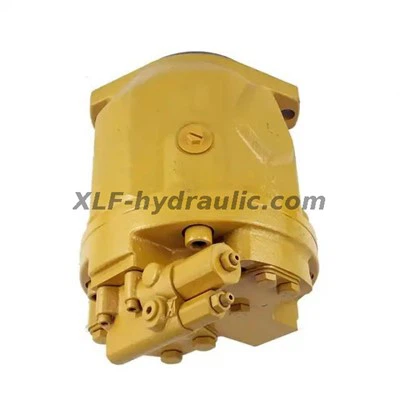
1. Engine Power and Torque: The Heart of Mountain Performance
One of the key aspects that determines how well a vehicle can navigate mountainous regions is its engine power and torque. The Kawasaki Series is equipped with high – performance engines that are engineered to deliver exceptional power even at high altitudes.
Mountainous areas often present steep inclines that require a significant amount of torque to climb. The Kawasaki engines are designed with advanced fuel injection systems and optimized combustion chambers. This setup allows for efficient fuel burning and a substantial amount of low – end torque. For instance, when approaching a particularly steep mountain pass, the Kawasaki models can smoothly accelerate, maintaining power where other vehicles might struggle.
Altitude also poses challenges to engine performance as the air gets thinner, reducing the amount of oxygen available for combustion. However, the advanced engine management systems in the Kawasaki Series adjust the fuel – air mixture in real – time, compensating for the changes in atmospheric conditions. This ensures that the engine maintains its power output regardless of whether you’re at the base of a mountain or near its summit.
2. Suspension System: Handling the Rough Terrain
The mountainous landscape is full of uneven surfaces, potholes, and large rocks. A good suspension system is crucial for ensuring a smooth ride and proper control. The Kawasaki Series features state – of – the – art suspension setups that are specifically tuned for off – road and mountainous use.
The front and rear suspension of the Kawasaki vehicles are designed to absorb shocks effectively. Whether it’s a sudden drop into a pothole or a bumpy rocky trail, the suspension can quickly adapt. The shock absorbers have adjustable settings, allowing riders or drivers to customize the ride according to the specific terrain conditions. For example, on a more technical and rocky mountain path, the suspension can be stiffened to prevent bottoming out and provide better control.
Moreover, the long – travel suspension provides ample ground clearance. This is essential in mountainous areas where rocks and debris can cause damage to the undercarriage. The high ground clearance allows the Kawasaki Series to easily clear obstacles, reducing the risk of getting stuck or damaging critical components.
3. Traction and Stability: Conquering Slippery Slopes
Mountainous areas are not only about steep climbs but also about dealing with wet, muddy, or slippery surfaces. The Kawasaki Series is designed with advanced traction and stability control systems to tackle these challenges.
Most models in the Kawasaki lineup come with four – wheel drive (4WD) capabilities. The 4WD system distributes power to all four wheels, providing better traction on loose gravel, mud, or snow – covered roads. When the wheels start to slip, the system can automatically transfer power to the wheels with the most grip, ensuring that the vehicle maintains forward momentum.
In addition to 4WD, the stability control systems in the Kawasaki vehicles constantly monitor the vehicle’s speed, steering angle, and acceleration. If the system detects that the vehicle is starting to lose control, such as during a sharp turn on a wet mountain road, it can apply individual brakes to specific wheels and adjust the engine power to keep the vehicle stable.
4. Maneuverability: Navigating Tight Spaces
Mountain roads are often narrow and winding, with sharp turns and limited visibility. Excellent maneuverability is essential for safely navigating these areas. The Kawasaki Series is designed with a relatively compact size and a tight turning radius.
The steering systems in Kawasaki vehicles are responsive, allowing for precise control. Whether it’s making a U – turn on a narrow mountain path or navigating through a series of hairpin turns, the driver can easily and accurately steer the vehicle. The light and agile nature of the Kawasaki models also makes them easier to handle in tight spaces, compared to larger, bulkier vehicles.
5. Durability and Reliability: Withstanding the Harsh Mountain Environment
Mountainous areas can be harsh on vehicles, with extreme temperatures, dust, and rough terrain taking a toll. The Kawasaki Series is built to last, with high – quality materials and robust construction.
The frames are made of strong and lightweight alloys that can withstand the stresses of off – road driving. The body panels are reinforced to resist damage from rocks and debris. Additionally, the engines and other critical components are designed to operate in harsh conditions. They have advanced cooling systems to prevent overheating during long – climb ascents and efficient air filtration systems to keep dust and dirt from entering the engine.
Over the years, I’ve received numerous reports from customers who use the Kawasaki Series in mountainous regions. Many of them have shared stories of how the vehicles have stood up to the test of time, with minimal maintenance required even after years of rigorous use.
6. Safety Features: Protecting the Riders in the Mountains
Safety is of utmost importance when driving or riding in mountainous areas. The Kawasaki Series is equipped with a comprehensive set of safety features.
Airbags are a standard feature in many models, providing protection in the event of a collision. Anti – lock braking systems (ABS) prevent the wheels from locking up during sudden braking, which is especially important on slippery mountain roads. Electronic Brake – force Distribution (EBD) ensures that the braking force is evenly distributed among the wheels, improving braking performance and stability.
Some advanced models also come with features like hill – start assist, which prevents the vehicle from rolling backward when starting on a steep incline. This feature gives the driver peace of mind when navigating the challenging mountain roads.
7. Conclusion: Why Choose the Kawasaki Series for Mountainous Areas

In conclusion, the Kawasaki Series offers a winning combination of power, performance, maneuverability, durability, and safety for mountainous areas. Whether you’re an adventure enthusiast looking to explore remote mountain trails or a local resident who needs a reliable vehicle to navigate the mountain roads on a daily basis, the Kawasaki Series is a top – notch choice.
Rexroth Series If you’re interested in learning more about the Kawasaki Series or are considering a purchase for your mountain – related needs, I encourage you to reach out to me. I’m here to provide you with detailed product information, answer any questions you may have, and assist you in finding the perfect model for your requirements. Let’s start a conversation about how the Kawasaki Series can meet your needs in the challenging mountainous terrains.
References
- Kawasaki official product manuals
- Customer feedback and testimonials from mountainous regions
- Technical research papers on off – road vehicle performance in mountainous areas
Wuhan Xinlaifu Hydraulic Equipment Co., Ltd.
Wuhan Xinlaifu Hydraulic Equipment Co., Ltd. is one of the most professional kawasaki series hydraulic spare parts manufacturers and suppliers in China, featured by high quality OEM&ODM products. Please feel free to buy customized kawasaki series hydraulic spare parts from our factory.
Address: Liansu Industrial Park, No.1, Xincheng 11th Road, Dongxihu District, Wuhan, Hubei, China
E-mail: service@xlf-hydraulic.com
WebSite: https://www.xlf-hydraulic.com/
